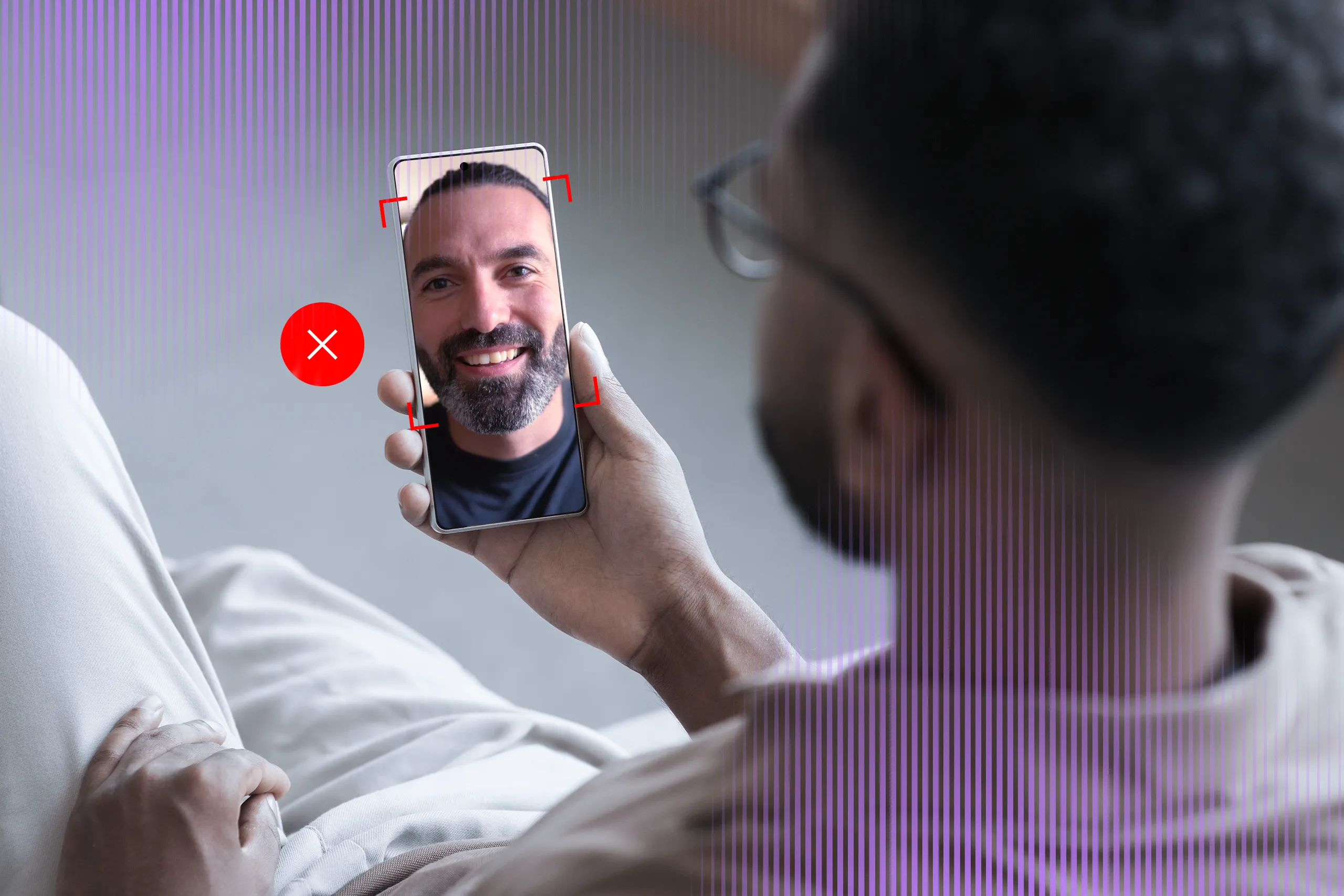

Cybernews researchers obtained an Android toolkit designed to manipulate live identity verification sessions by replacing camera input with prerecorded video or static images.
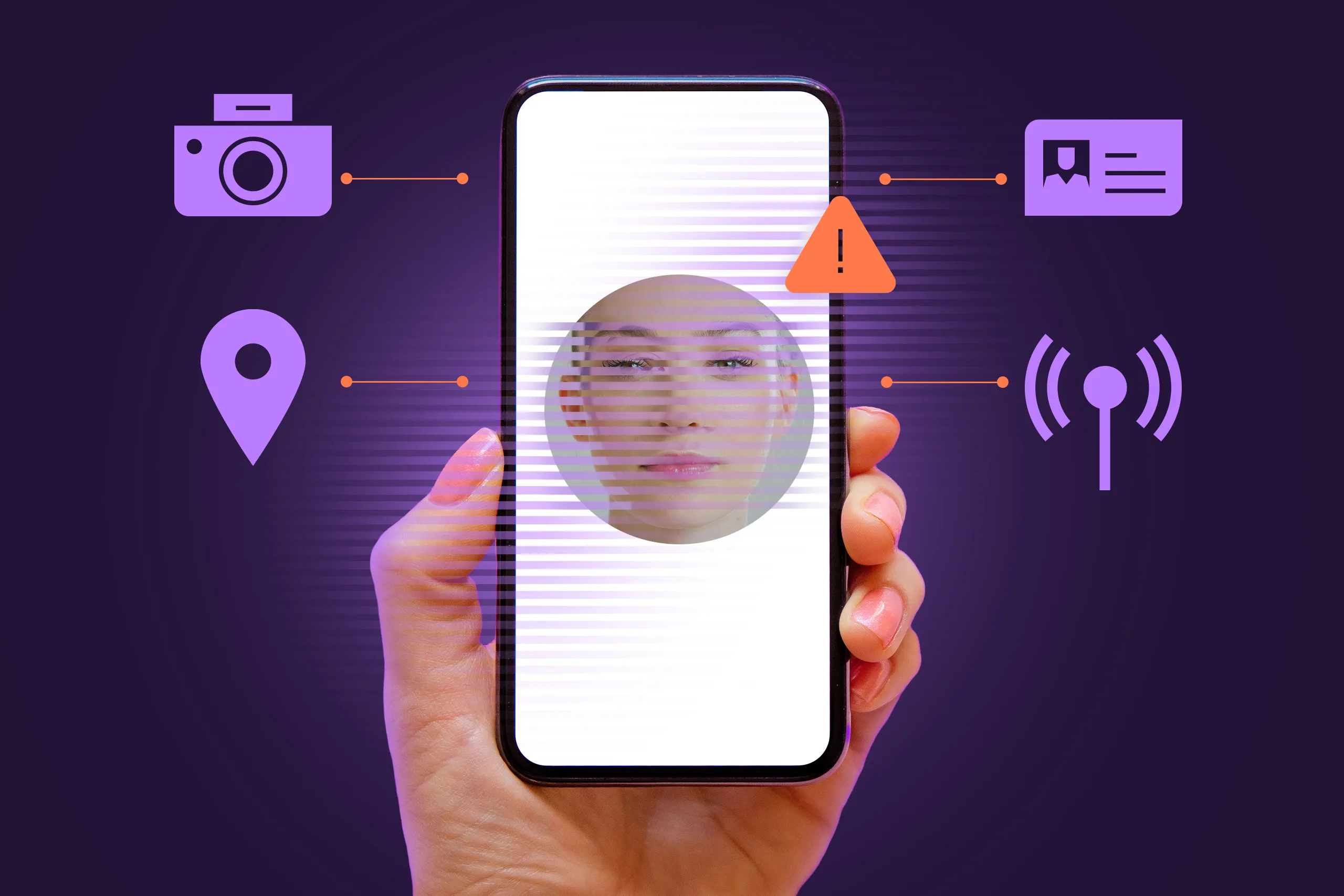
The toolkit caught attention because it demonstrated a more complex approach to injection attacks. Instead of faking only the camera feed, it tries to fake the “identity” of the whole device:
-
It can inject fake media into the front and rear cameras independently, allowing a fake document and manipulated facial media to appear as if they were captured live in the same session. This is a new fraudster’s technique.
-
It can spoof device characteristics, location, identifiers, browser data, security status, and other signals that verification systems may use to assess whether a device can be trusted.
-
It can imitate normal camera behavior, including movement, timing, and metadata, to make injected media look more like genuine capture.
There’s a parallel to faking a person’s identity when documents and biometrics have to fit together. Here, the attacker tries to make the camera feeds, device data, security signals, and behavior fit together too. This case shows how much injection tooling can now be bundled into a single setup.
Subscribe to receive a bi-weekly blog digest from Regula
Injection attacks are moving from single tricks to attack stacks
Creating a fake identity no longer takes much expertise or money. Generative AI tools are cheap, widely available, and simple enough to use that producing a convincing face, document, or video is within reach of far more attackers.
That also makes injection attacks more attractive. A generated fake is digital by nature, and injection gives attackers a way to present it to a verification system as if it came from a live capture.
As more fraudsters start using injections, the market around it grows too. People who see a business opportunity begin to package and improve the tools. Over time, those tools become more mature and better equipped to get around known checks.
I’ve seen this play out more than once.
Take the two-camera setup. Identity verification providers have pointed to capturing the document with the rear camera and the face with the front camera as an extra layer of confidence. Fraudsters adapted, and now both streams can be manipulated independently, as in this toolkit analyzed by Cybernews.
Device data followed the same path. Root status, device model, location, security profile, camera behavior — all of these are useful signals, but attackers have an incentive to work out how to manipulate that too.
There’s an old predator-and-prey dynamic at work here. Whatever one side develops, the other eventually adapts to it. The difference is speed: in nature, that process plays out over thousands of years. In fraud prevention, it can happen in months.
That is why defense has to work as a stack and keep changing with the attack. The more of the session an attacker can manipulate, the less useful any single signal becomes on its own.
Why injection attack prevention gets harder outside the lab
I think it’s unlikely that there will be one signal that permanently separates a genuine camera feed from an injected one.
Cybernews suggests several defenses that can make injection harder, including server-side dynamic challenges, hardware-backed attestation with a fresh nonce, and cross-checking camera behavior against device sensors. These are all useful techniques, but their effectiveness depends heavily on the device and deployment context.
Hardware attestation is a good example. From my own testing, the main limitation is coverage: strong hardware-backed attestation requires specific hardware, and a lot of mass-market Android devices simply don’t have it.
From an attacker’s perspective, that creates an obvious shortcut: I don’t have to defeat the attestation if I can choose a device that doesn’t support it.
A provider can choose to reject devices without the required hardware, but it comes at a cost. In many real-world services, it would also mean rejecting a meaningful share of legitimate users. So, hardware attestation can be a strong layer, but it just cannot be the only one.
The same caution applies to other signals as well.
Injection defense is a process, not a destination
I don’t think any single technique can guarantee protection from injection attacks for good. Once it becomes valuable enough to defenders, it becomes valuable enough for attackers to explore.
The effective strategy, in my experience, is to keep adding new layers of protection as attack techniques evolve. That means reproducing new attacks, testing existing controls against them, and introducing new detection methods when the old ones are no longer enough.
From my perspective, this ability to keep adapting is one of the key characteristics of an identity verification vendor. The current set of controls matters, but so does the vendor’s ability to change them as attackers change their approach.
At Regula, we’ve taken that approach quite literally. We built an in-house lab where our team puts itself in the attacker’s shoes, recreates new attack techniques, and looks for weak points in our own defenses.
If injection attacks, deepfakes, and other forms of identity fraud are part of your threat model, let’s talk. We’re always happy to compare notes on what we’re seeing in the field.