
Remote onboarding & KYC
Detect synthetic or manipulated identities before they enter your customer base.
Detect presentation attacks, injected media, and synthetic identities before they lead to fraudulent accounts, account takeovers, or unauthorized transactions.
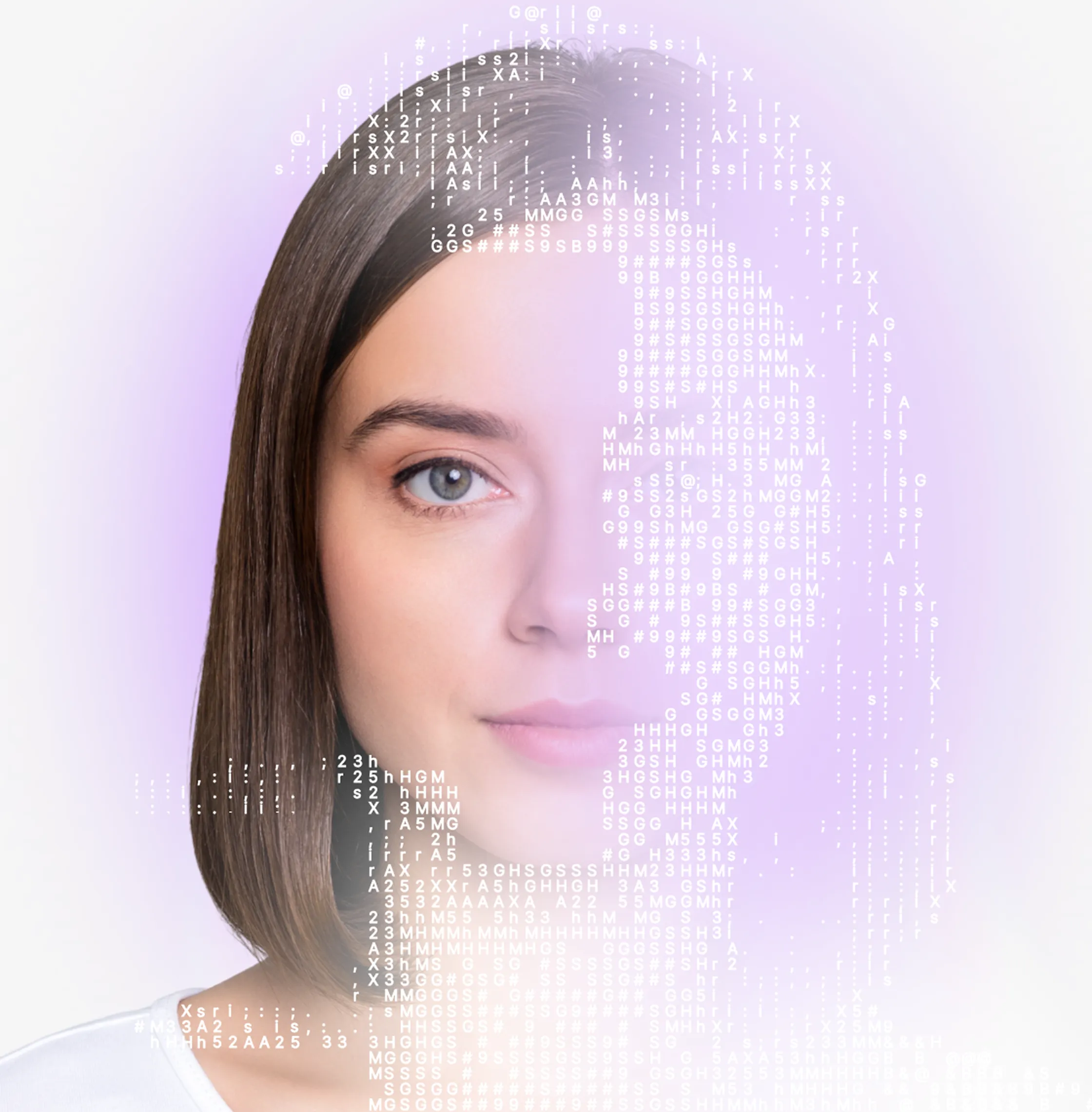
1 in 5
biometric fraud attempts are attributed to deepfakes
Regula Global Research
41%
of organizations have experienced a deepfake attack
Gartner
87%
of companies saw AI-assisted attempts to pass verification
Regula Global Research
> $1.28
billion Deepfake fraud cost documented victims
Resemble Deepfake Threat Report
Deepfake attacks fall into two distinct threat vectors - presentation and injection, each requiring a different layer of defense. Regula covers both.

Printed photos, paper masks, and 3D masks presented to the camera.
How Regula detects it: Active and passive liveness checks, iBeta-certified at PAD Levels 1 and 2, detect presentation attacks using physical artifacts.

Photos and AI-generated faces displayed on a phone, tablet, or monitor.
How Regula detects it: Active liveness to reveal additional signals combined with 1:1 face matching against the trusted ID document.

Pre-recorded or AI-generated video presented to the camera.
How Regula detects it: Active liveness to detect video replays while texture and micro-movement analysis reveals deepfakes.
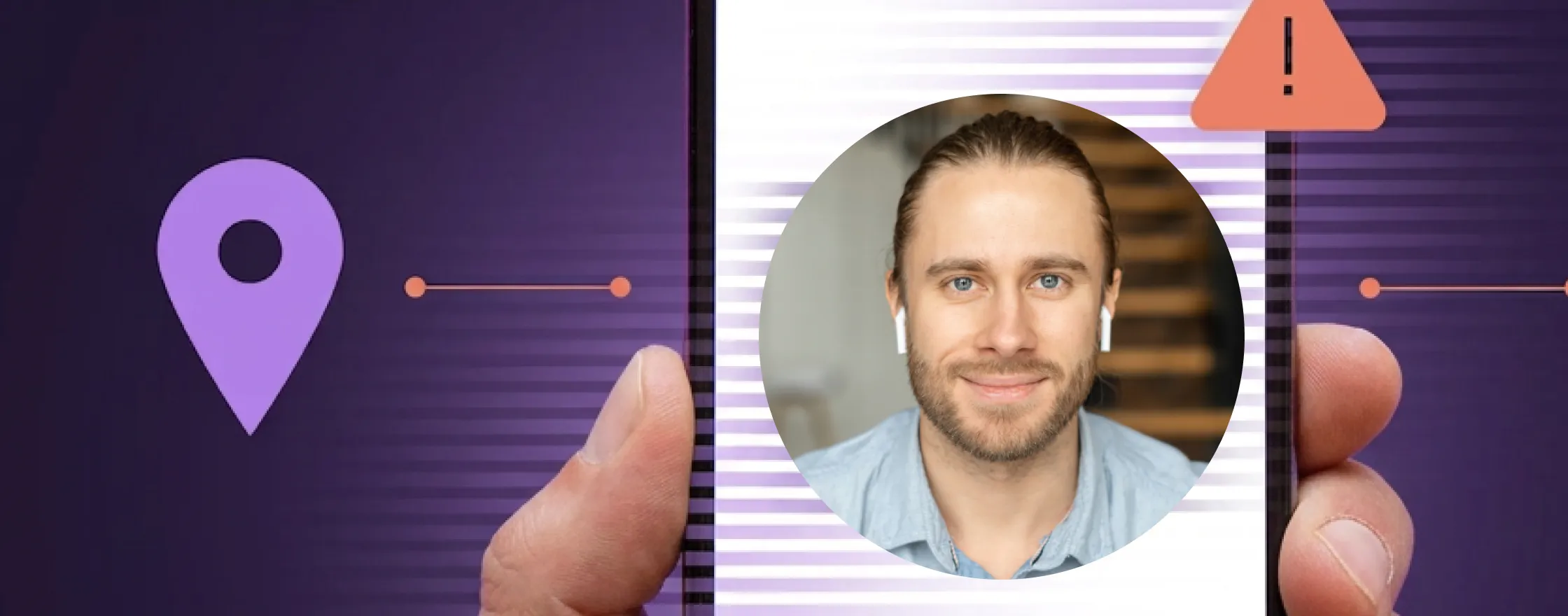
Fraudulent media fed directly into the verification stream via virtual cameras or emulators - bypassing the physical camera entirely.
How Regula detects it: Capture path integrity check - verifies that media originates from a physical device, not a virtual camera, emulator, or injected stream, before any processing begins.
Fabricated or blended identities combine genuine personal data with false attributes, manipulated documents, or synthetic biometric media.
How Regula detects it: Regula authenticates identity documents, compares data across visual, MRZ, barcode, and RFID sources, and matches the user’s face to the document portrait. Conflicting evidence can be flagged for additional review.
Coordinated synthetic face, video, and voice make an impersonation appear consistent across multiple interaction channels.
How Regula detects it: Face matching and liveness checks are combined with document verification, helping expose inconsistencies between the person, biometric media, and identity document. Voice analysis can be added through a third-party integration.




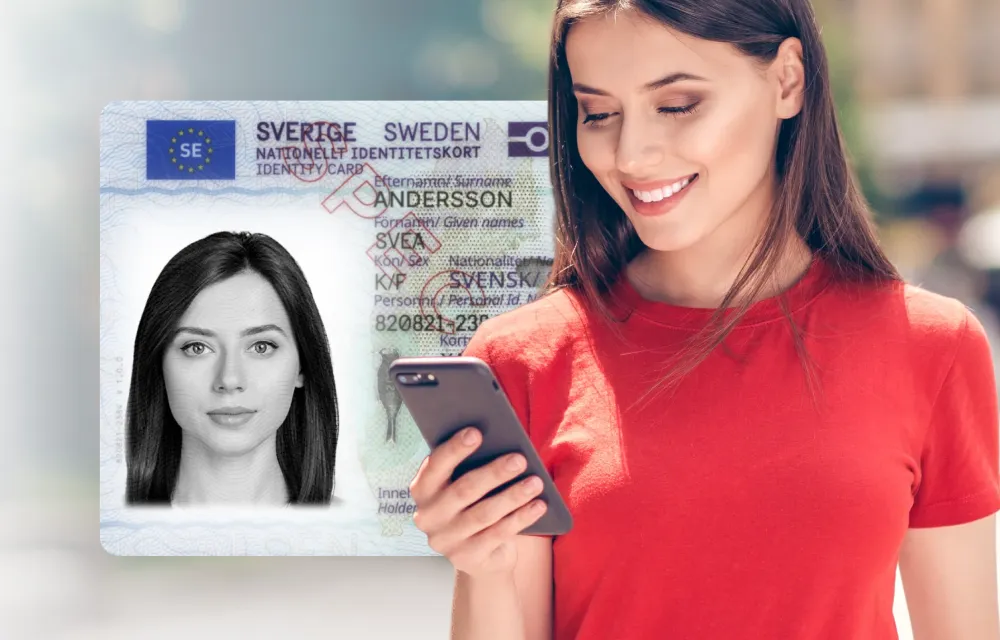
The strongest proof comes from the people using the product. Explore how Regula performs across the metrics identity verification teams care about.
Reach out if we didn’t answer yours.
What is deepfake detection and how does it work?
Deepfake detection is the process of identifying AI-generated or manipulated media, such as synthetic faces, face swaps, replayed videos, or injected video streams. In identity verification, deepfake detection helps confirm that a remote user is a real person and not an AI-generated impersonation.
Regula’s deepfake detection approach combines liveness checks, face matching, document authenticity verification, and injection risk indicators. This layered flow helps detect deepfakes in real time and reduce the risk of AI fraud during remote onboarding, account recovery, and high-risk transactions.
What types of deepfake attacks can be detected?
Deepfake detection technology can help identify several types of attacks used in identity fraud. These include AI-generated faces, face swaps, puppet deepfakes, pre-recorded videos, screen replays, 3D masks, and synthetic identity attempts.
Regula focuses on detecting deepfakes across three key layers: presentation attacks on the physical camera, injection attacks on the data stream, and identity-level attacks that combine manipulated faces, forged documents, or other synthetic content. This helps organizations address both biometric spoofing and deepfake fraud.
How does liveness detection prevent deepfake fraud?
Liveness detection helps verify that the person in front of the camera is physically present during the verification session. It helps detect presentation attacks such as printed photos, screens, masks, or replayed videos. For deepfake fraud prevention, liveness checks are important because many attacks try to replace a real live user with synthetic content. Active liveness may use user interaction or challenge-response prompts, while passive liveness works without requiring extra actions from the user. Regula uses liveness detection as one signal in a broader deepfake detection solution.
What is the difference between presentation attack detection (PAD) and injection attack detection (IAD)?
Presentation attack detection, or PAD, focuses on attacks shown to a real camera. Examples include printed photos, screen replays, masks, or other physical substitutes used to bypass identity checks. Injection attack detection, or IAD, focuses on attacks against the data stream. In these cases, fraudulent media may be fed into the verification flow through a virtual camera, emulator, or injected stream. Effective deepfake detection software should address both PAD and IAD because deepfake attacks can target either the camera or the digital capture path.
Can deepfake detection work on-premises?c
Yes. Deepfake detection can work on-premises when the solution supports deployment inside the customer’s own infrastructure. This is important for organizations that need strict control over biometric data, identity documents, and verification results. Regula supports on-premises deployment, helping businesses keep sensitive identity data within their own security perimeter. For regulated industries, on-premises deepfake detection software can support data sovereignty, internal compliance requirements, and AI fraud prevention without relying only on cloud processing.
How to detect deepfakes in identity verification?
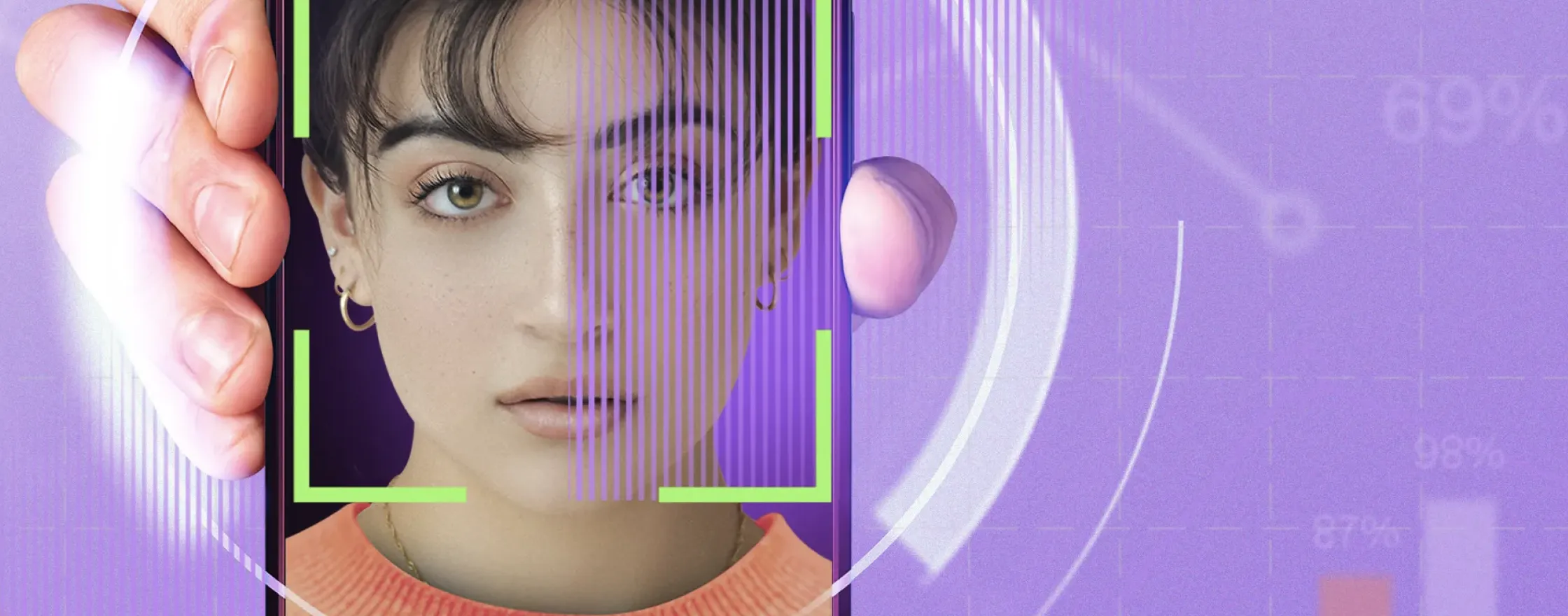
To detect deepfakes in identity verification, organizations need more than a visual check. Deepfake detection tools analyze liveness results, facial consistency, motion patterns, biometric matching, document checks, and capture integrity indicators. Regula combines these signals into a layered decision flow instead of relying on a single visual or biometric check.
What are the methods of deepfake detection?
Common deepfake detection techniques include liveness detection, face matching, presentation attack detection, injection attack detection, motion and consistency checks, and document authenticity verification. Some methods focus on the face, while others focus on the session, the device path, or the identity document. Regula uses multiple deepfake detection techniques together. Liveness checks help confirm real human presence. Face matching compares the captured face with the ID document portrait. Document verification checks whether the identity document is authentic. Injection risk checks help identify signs of virtual cameras, emulators, or manipulated streams. Together, these methods support detecting deepfakes in real identity verification scenarios.


![A Guide to Synthetic Identity Fraud: Definition, Targets, and Precautions [+Infographics]](https://static-content.regulaforensics.com/Software_Use Cases/deepfake/1120x440-3.webp)