E-passport
What Is an E-Passport?
What Data Does an E-Passport Contain?
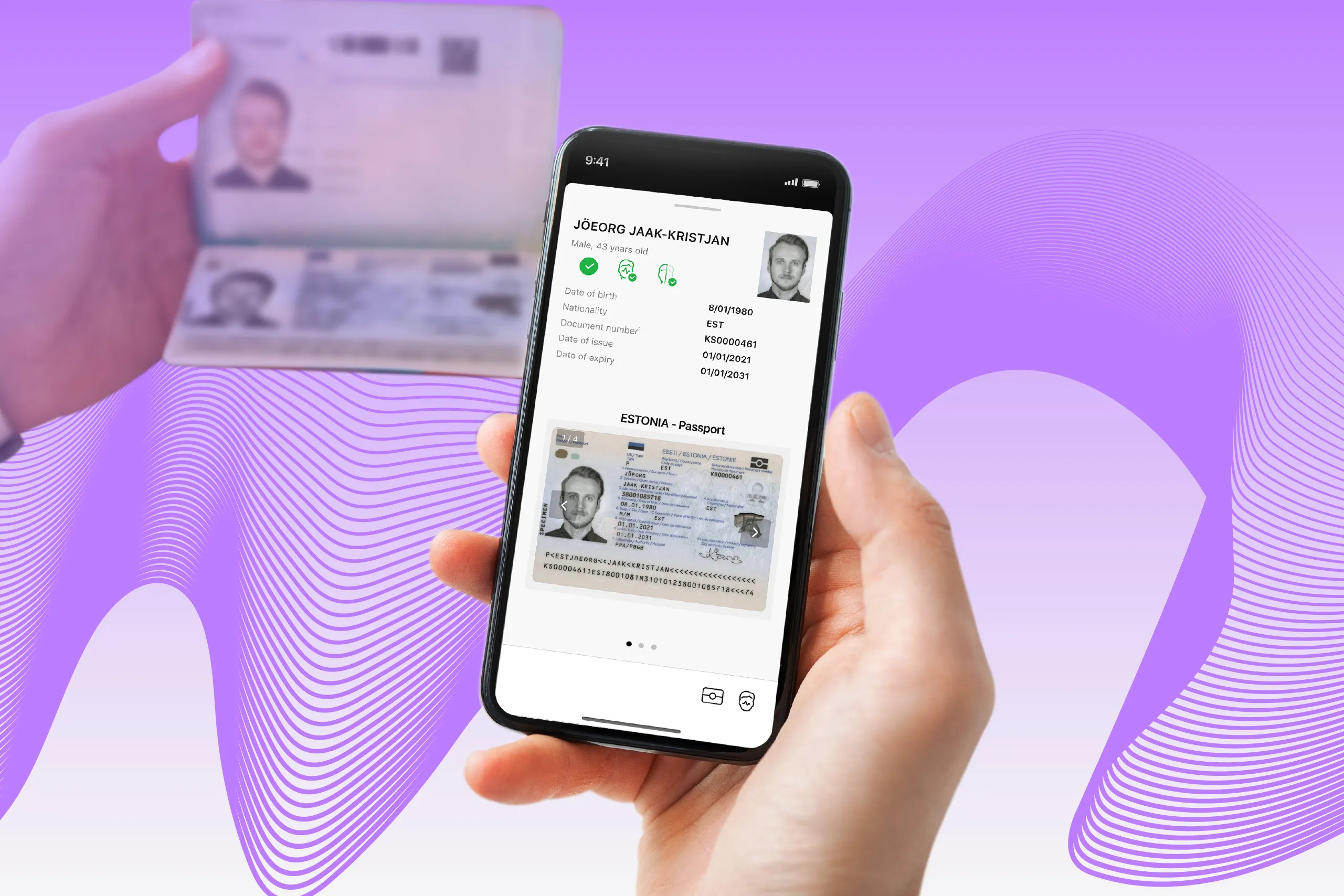
- MRZ data: Name, date of birth, nationality, sex, passport number, issuing state, and expiration date
- Facial biometric: A digital image of the holder’s face
- Optional biometrics: Fingerprint or iris data, depending on the issuing state
What Are the Advantages of E-Passports?
- Stronger protection against document forgery: The chip contains digitally signed data, allowing inspection systems to detect unauthorized changes and verify that the information originated from the issuing authority.
- Better protection against impersonation: The holder’s facial image can be compared with the person presenting the document. This helps detect the use of a genuine passport by someone other than its rightful holder.
- Faster border processing: Compatible automated border-control systems can read chip data, verify its integrity, and perform biometric comparisons quickly. This enables the use of e-gates and may reduce processing times and queues.
- International interoperability: E-passports follow ICAO specifications, allowing compatible inspection systems in different countries to read and verify them consistently.
How Can Regula Help with E-Passports?
- Mobile NFC verification: NFC-enabled smartphones can read data directly from an e-passport’s RFID chip during remote identity verification.
- Passport reader verification: Regula’s document readers with integrated RFID modules can read chip data during in-person verification at border checkpoints, bank branches, airports, and other service locations.
FAQ
How Is an E-Passport Different from a Traditional Passport?
Both are physical passport booklets containing a data page, portrait, biographical information, and an MRZ. An e-passport additionally contains a contactless RFID chip that stores digitally signed identity data and a facial image. This allows compatible systems to verify the chip’s integrity and compare its information with the physical document and its holder.
Can Every Smartphone Read Every E-Passport?
No.The smartphone must have NFC capability, and the application must support e-passport reading and the relevant chip-access protocols. Compatibility may also depend on the passport, phone model, operating system, chip condition, and correct capture of the data needed to access the chip.
How Do E-Passport Reads Improve Remote Identity Verification?
An e-passport read provides digitally signed data from the chip rather than relying only on a photograph of the data page. The system can compare chip data with the printed document information and use the chip portrait for biometric face matching. This adds another source of evidence, although a chip read should still be combined with document, facial, and liveness checks.
Do All E-Passports Store Fingerprints or Iris Images?
No. A digital facial image is the standard biometric stored in e-passports, while fingerprints and iris images are optional under ICAO specifications. Whether additional biometrics are included depends on the issuing state, and access to them may require further authorization.
Is an E-Passport Invalid If Its Chip Cannot Be Read?
Not necessarily. A chip may be unreadable because of physical damage, device compatibility, incorrect positioning, or a temporary technical problem. Whether the passport can still be accepted depends on the inspecting authority, applicable rules, and the results of physical document checks.