Fraud Prevention
What is fraud prevention?
How does fraud prevention work?
- Fraud-risk assessment. The organization identifies how its products, accounts, payment functions, and support channels could be abused.
- Control selection. Teams choose preventive and detective controls for each risk, such as identity verification, transaction rules, device analysis, access controls, or manual review.
- Data collection and assessment. Systems evaluate identity, device, account, behavioral, and transaction data before or during an action.
- Decision and response. Policy may approve the action, request more evidence, pause it for review, or block it. Confirmed cases may require account restrictions, recovery work, reporting, or law-enforcement contact.
- Measurement and revision. Confirmed fraud, false alerts, customer complaints, and investigation findings help teams adjust rules, models, thresholds, and staff procedures.
What types of fraud can identity checks help prevent?
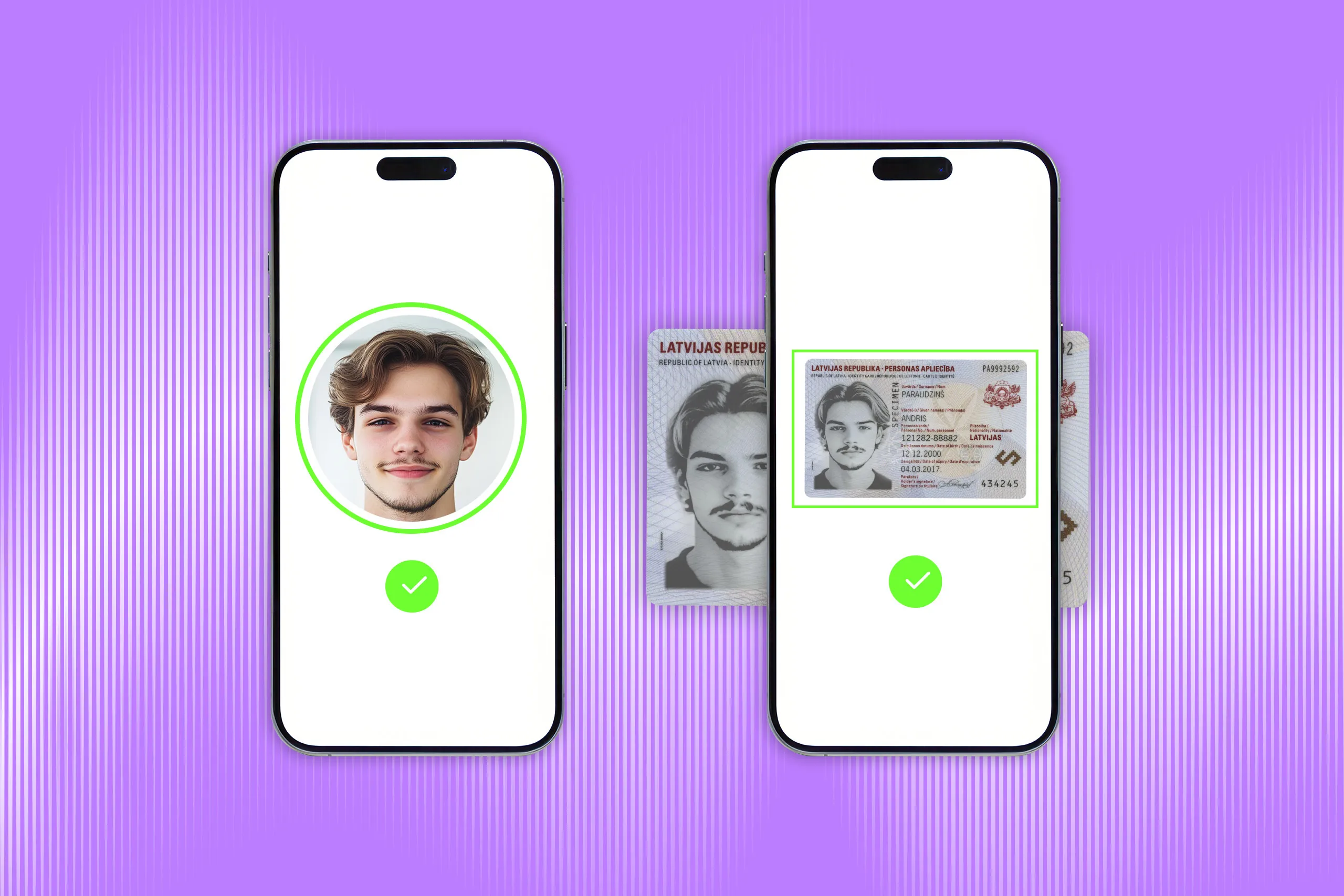
- Use of forged, altered, or digitally reproduced identity documents
- Impersonation with a stolen or borrowed genuine document
- Some forms of synthetic identity fraud that combine real and fabricated data
- Presentation attacks using printed photos, masks, or replayed media
- Some account-recovery and account-takeover attempts in which the attacker cannot prove the account holder’s identity
Who uses fraud prevention?
How does fraud prevention relate to AML?
How can Regula help with fraud prevention?
FAQ
Who is responsible for fraud prevention in an organization?
Responsibility is usually shared by fraud operations, risk, security, compliance, product, customer support, and engineering teams. Senior management sets risk tolerance and accountability, while control owners monitor performance and investigate failures. Clear ownership is needed when one case affects fraud, AML, cybersecurity, and customer-protection duties at the same time.
What does fraud prevention software do?
Fraud prevention software collects and evaluates data that may indicate fraud, then applies rules or models to support a decision. Depending on its purpose, it may examine identity evidence, devices, account behavior, transactions, or known fraud patterns. No single product covers every fraud type, so organizations commonly connect several controls with case-management and reporting systems.
When should a business repeat identity checks?
Another identity check may be appropriate during account recovery, device replacement, changes to important account details, high-value transactions, or activity suggesting that someone else controls the account. The trigger and evidence required should reflect the risk of the action. Routine repeated collection of identity data may add cost and privacy risk without improving the decision.
How do businesses measure fraud prevention performance?
Useful measures include confirmed fraud losses, fraud detection rates, false-positive and false-negative rates, manual-review volume, review accuracy, customer abandonment, and time to investigate. Each metric should identify the fraud type and control being evaluated. A lower fraud loss figure is not meaningful on its own if transaction volume, customer mix, or review policy changed during the same period.