Identity Mule
What is an identity mule?
How does identity muling work?
- Recruitment: An organizer offers payment or another incentive to obtain identity material or a verified account
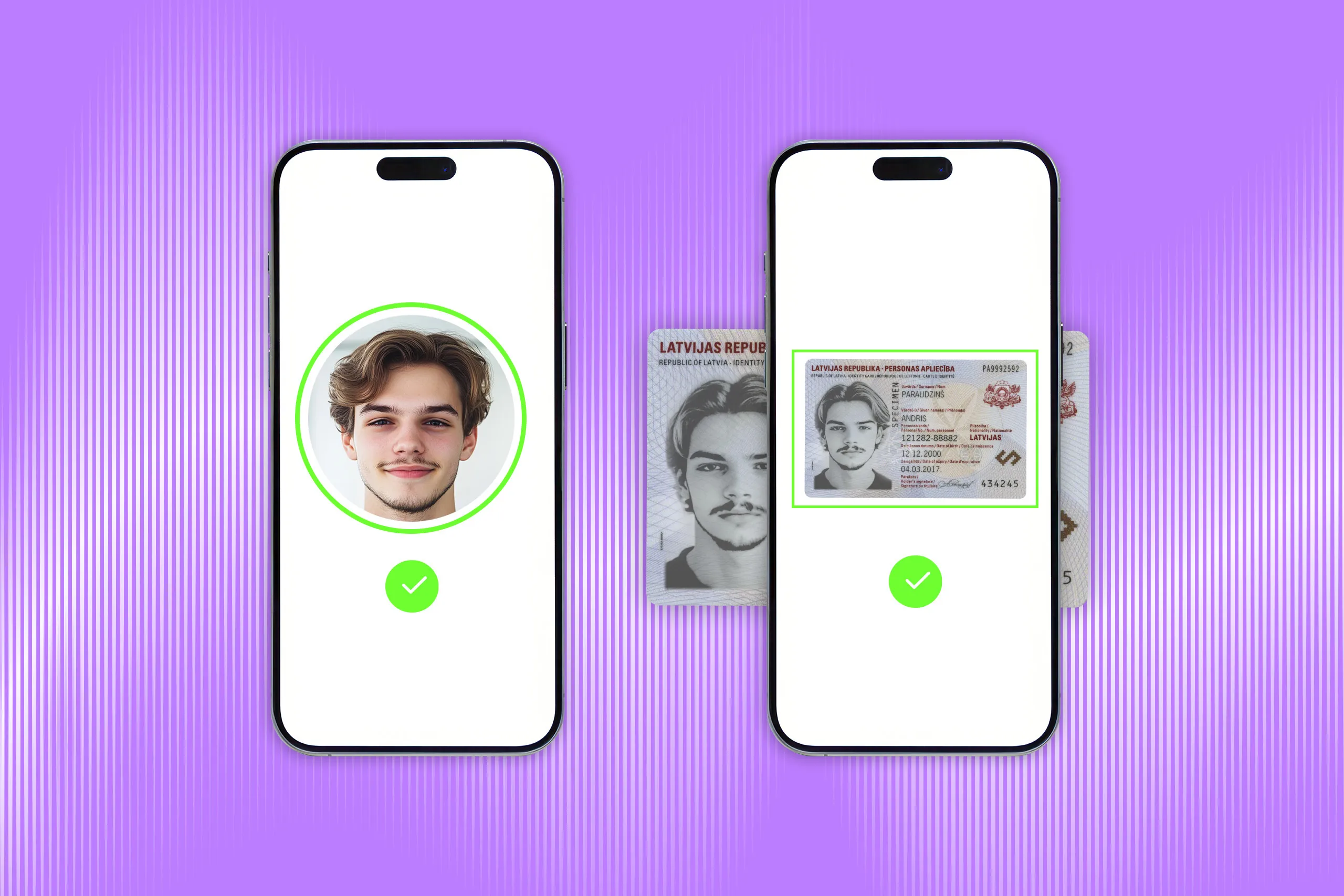
- Verification: The recruited person provides documents, completes biometric checks, or follows instructions during account opening
- Account misuse: The organizer obtains access or directs the account's activity, potentially returning to the person for later verification requests
How can businesses detect identity mule activity?
- Several new accounts linked to the same devices or contact details
- Changes to credentials or recovery details soon after approval
- A different device taking control of multiple recently verified accounts
- Transactions inconsistent with the stated purpose of the relationship
- Customer explanations suggesting that another person directed account opening
How can Regula help with identity mule checks?
FAQ
How is an identity mule different from a money mule?
An identity mule supplies identity information or verification participation. A money mule receives or transfers funds for others. The roles can overlap when an account opened through identity muling is used to move criminal proceeds.
Can repeated selfie checks stop identity muling?
They may expose a change in control if the organizer cannot obtain the account holder's participation. Their value is limited when the person continues cooperating. A successful comparison should therefore be assessed with account activity and other evidence.
Does a mule account mean the biometric system produced a false match?
No. If the person's selfie correctly matches their own document portrait, the biometric result is correct. Missing the subsequent misuse is a fraud-control issue. Keeping these metrics separate prevents teams from adjusting face-matching thresholds to address a different problem.
Should every suspected mule account be closed immediately?
Response depends on the evidence, customer risk, and applicable rules. A business may investigate, restrict particular functions, or require additional information. It should also consider whether the person may have been deceived or coerced before choosing an action.
When is enhanced due diligence appropriate for a suspected mule?
Enhanced due diligence may be needed when the relationship presents higher money-laundering risk under applicable rules. Additional work can examine account purpose, source of funds, third-party involvement, and transaction activity. A shared device alone is not a sufficient conclusion.
How should fraud and AML teams coordinate mule investigations?
They should share relevant verification records, account-control changes, transaction findings, and confirmed connections under approved access rules. Clear case ownership helps prevent conflicting actions. Reporting obligations and customer communications depend on the jurisdiction and investigation.