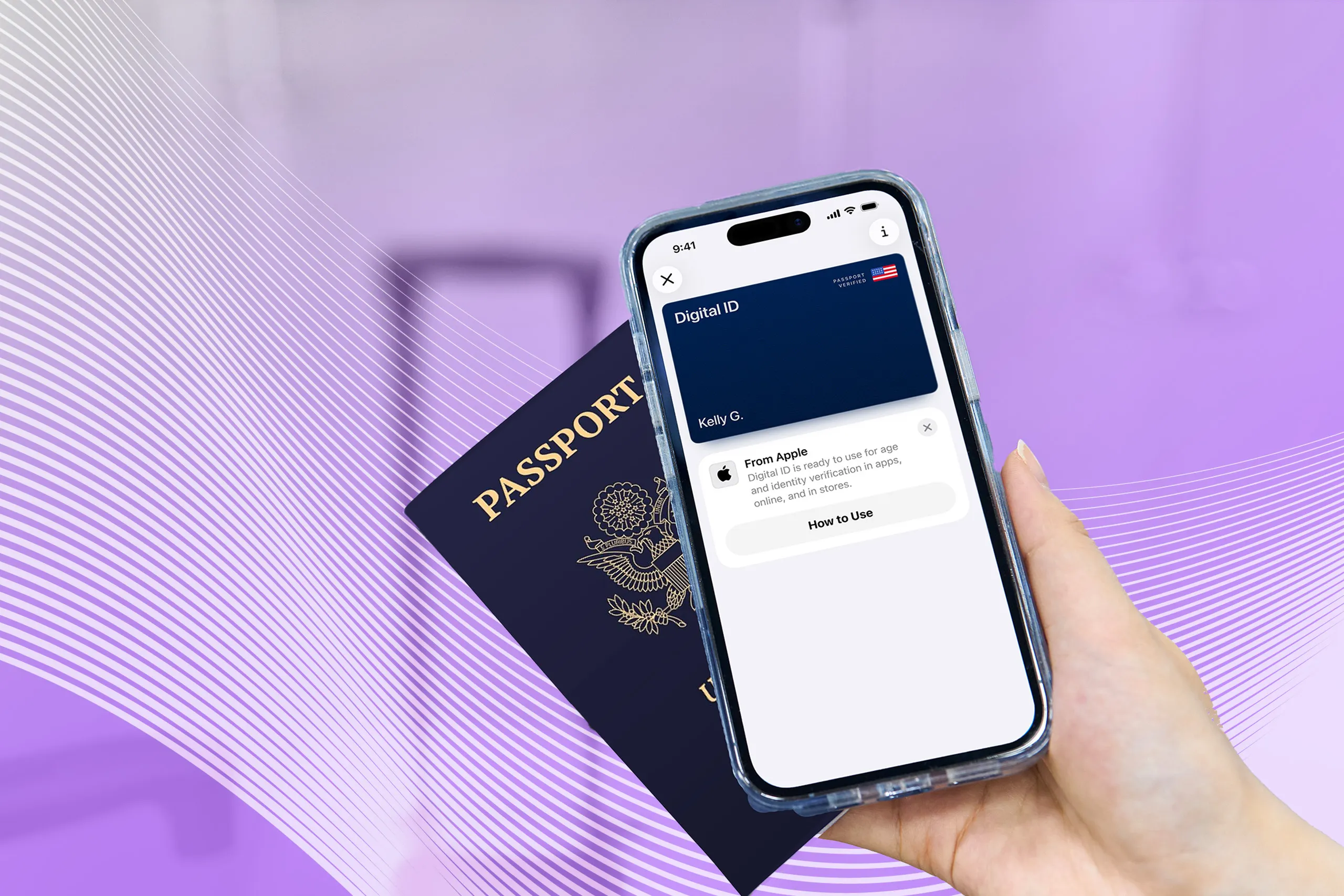
Digital wallet
What Is a Digital Wallet?
What Can the Wallet Carry?
- Person identification data, serving as a digital means of proving identity
- Mobile driver’s licenses (mDL)
- Educational credentials, such as degrees, diplomas, and certificates
- Professional qualifications and licences
- Health-related credentials, such as electronic prescriptions
- Social security documents
- Financial attributes, such as IBAN details
- Proof of employment or profession
- Digital travel credentials
- Transport tickets
- etc.
How Does a Digital Wallet Work?
- Credential issuance: A trusted issuer verifies the person’s identity or another claim and issues a digitally signed credential to the wallet.
- Secure storage: The wallet protects the credential and associated cryptographic keys on the device, through a secure remote service, or using a combination of both.
- User authentication: The holder accesses the wallet using a PIN, passcode, biometric check, or another supported authentication method.
- Credential presentation: The wallet presents the requested attributes or credential to a relying party with the user’s authorization. Where supported, selective disclosure allows the user to share only the information required.
- Verification: The relying party checks the credential’s integrity, verifies that it came from a trusted issuer, and may check its validity, expiration, or revocation status.
Where Are Identity and Document Verification Used in a Digital Wallet?
How Can Regula Help with Digital Wallets?
- Verify identity documents and extract personal data: Regula Document Reader SDK processes the visual zone using OCR, parses machine-readable zones (MRZs), and reads NFC/RFID chips in supported documents. Its database includes more than 16,500 document templates from 254 countries and territories.
- Perform document liveness detection: The technology helps confirm that a physical document is present during remote verification by analyzing dynamic security features, such as holograms and optically variable elements.
- Compare the applicant with the document portrait: Regula Face SDK performs a 1:1 comparison between the applicant’s facial image and the portrait extracted from the document or its RFID chip.
- Perform liveness detection: Active or passive liveness checks help confirm that a real person is present during the verification session and identify common spoofing attempts.
FAQ
What Is the Difference Between an Identity Wallet and a Payment Wallet?
An identity wallet stores or manages digital credentials that users can present to prove their identity or specific attributes. A payment wallet typically stores tokens or references connected to payment cards or bank accounts and uses them to authorize transactions. Some applications combine identity and payment capabilities, while others provide them separately.
Does a Digital Wallet Replace a Physical Identity Document?
Not necessarily. A digital wallet can store official identity credentials and allow users to present them electronically, but whether these credentials can replace a physical document depends on applicable law and whether the service accepts them. Users may still need a physical identity document in situations where digital credentials are not supported.
What Is Selective Disclosure in a Digital Wallet?
Selective disclosure allows users to share only the information required for a particular transaction. For example, a user could prove that they are over a required age without disclosing their full date of birth or other identity details. This can reduce unnecessary exposure of personal data, provided that the wallet and credential support this capability.
How Does a Service Verify a Digital Wallet Credential?
The receiving service, known as the relying party, checks the credential’s digital signature and confirms that it was issued by a trusted source. It may also verify whether the credential is valid, expired, suspended, or revoked. These checks help determine whether the presented information is authentic and can be trusted.
How Are Digital Wallets Protected Against Identity Fraud?
Digital wallets may protect credentials and cryptographic keys through secure device storage, remote security services, or a combination of both. PINs, passcodes, biometrics, and other authentication methods can help prevent unauthorized wallet access. Strong identity and document verification during credential issuance, recovery, and device linking is also important because the credential’s reliability depends on the identity evidence behind it.