Face Detection
What is face detection?
How does face detection work?
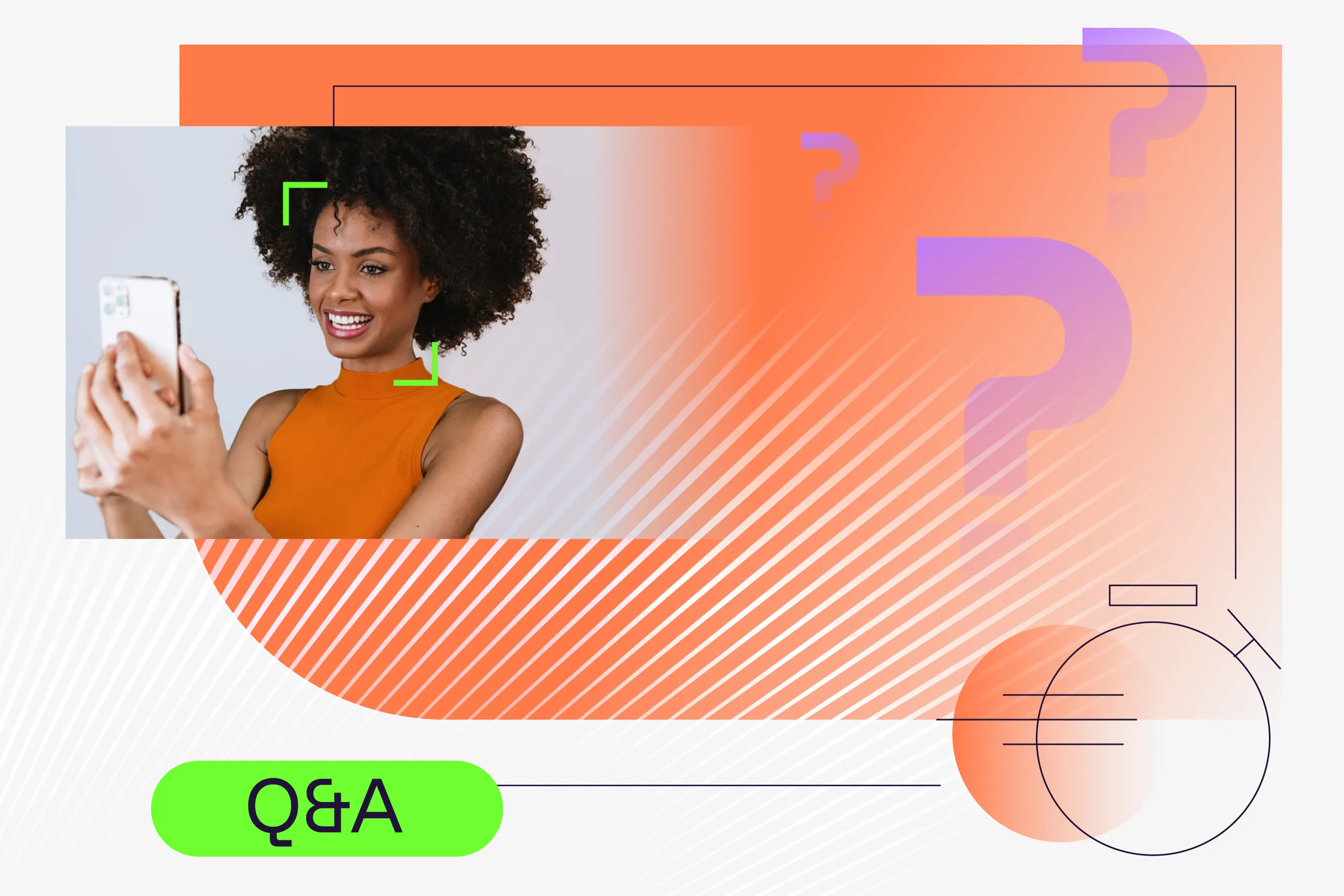
- Image input. The system receives a photograph or video frame.
- Candidate detection. A trained model analyzes the image for features associated with human faces.
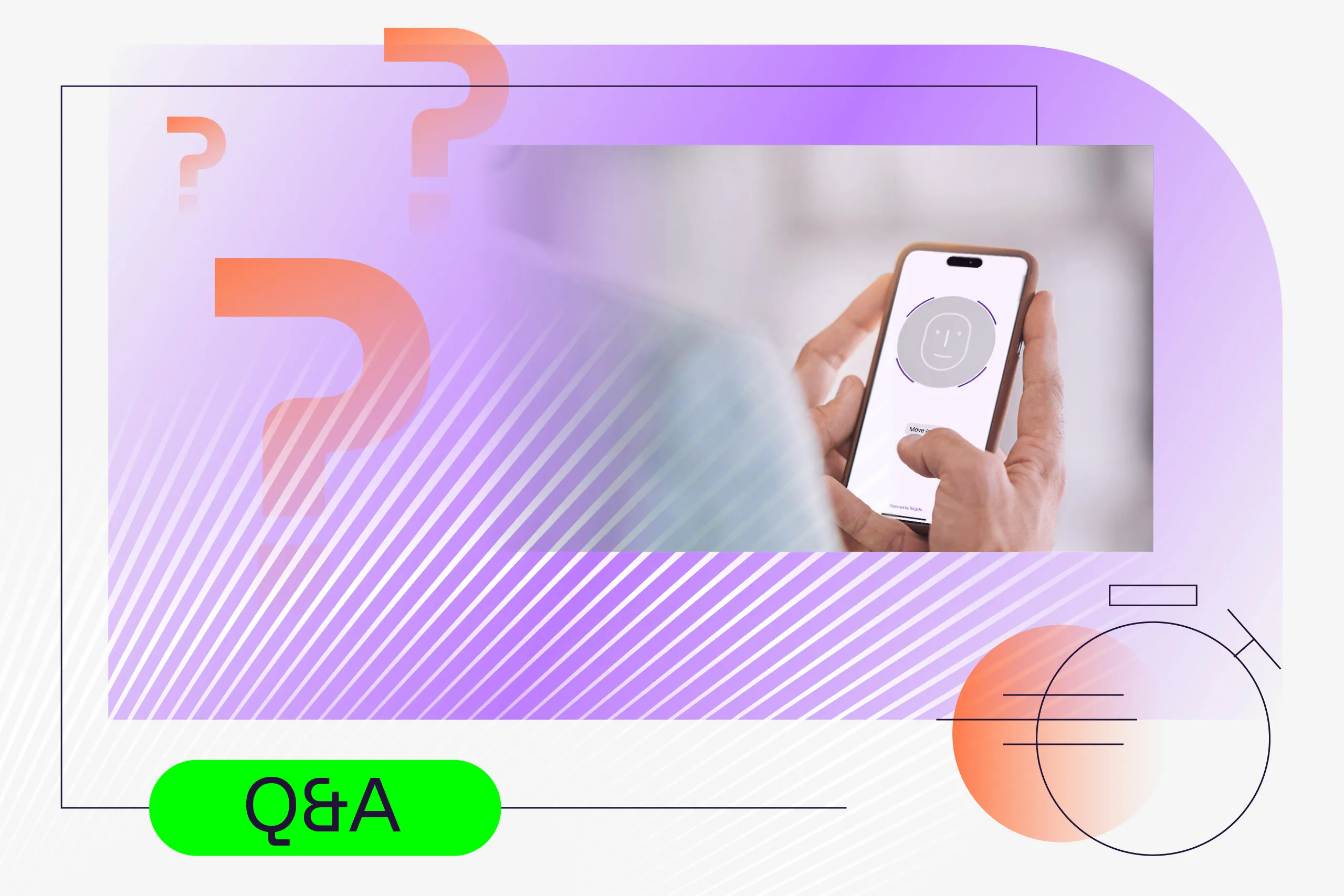
- Localization. The model returns the position and confidence score of each candidate face, usually as a rectangular bounding box.
- Cropping and alignment. The system may use facial landmarks to prepare the face for quality assessment, matching, liveness detection, or another biometric operation.
What is face detection used for?
What affects face detection accuracy?
How can Regula help with face detection?
FAQ
What is the difference between face detection and face matching?
Face detection finds and locates a face. Face matching uses that detected face in a 1:1 comparison with a specified reference and returns a similarity score. Detection can succeed even when the two images show different people.
Is face detection the same as face recognition?
No. Face detection locates faces, while face recognition compares facial biometric data with one or more references. Recognition begins after the system has found and prepared a usable face.
Can face detection tell whether a person is live?
No. A detector can locate a face in a photograph, screen replay, mask, or synthetic image. Liveness detection, which can form part of presentation-attack detection, checks for evidence that a live person is present. Injection controls protect the software from substituted media.
Can face detection find more than one face?
Yes. Many detectors return a bounding box and confidence score for every face found in the image. An identity-verification policy may reject a frame containing several faces, request another capture, or select one face under defined rules.
Can face detection run on a user’s device?
Yes. Face detection may run on a phone, computer, or another capture device to provide immediate positioning and quality guidance. It may also run on a server after upload. The choice depends on product architecture, performance requirements, privacy policy, and available device resources.