Know Your Customer (KYC)
What Is Know Your Customer (KYC)?
How Does Know Your Customer (KYC) Work?
- Collect customer information. The organization gathers the identifying details required for the customer type under applicable law and internal policy.
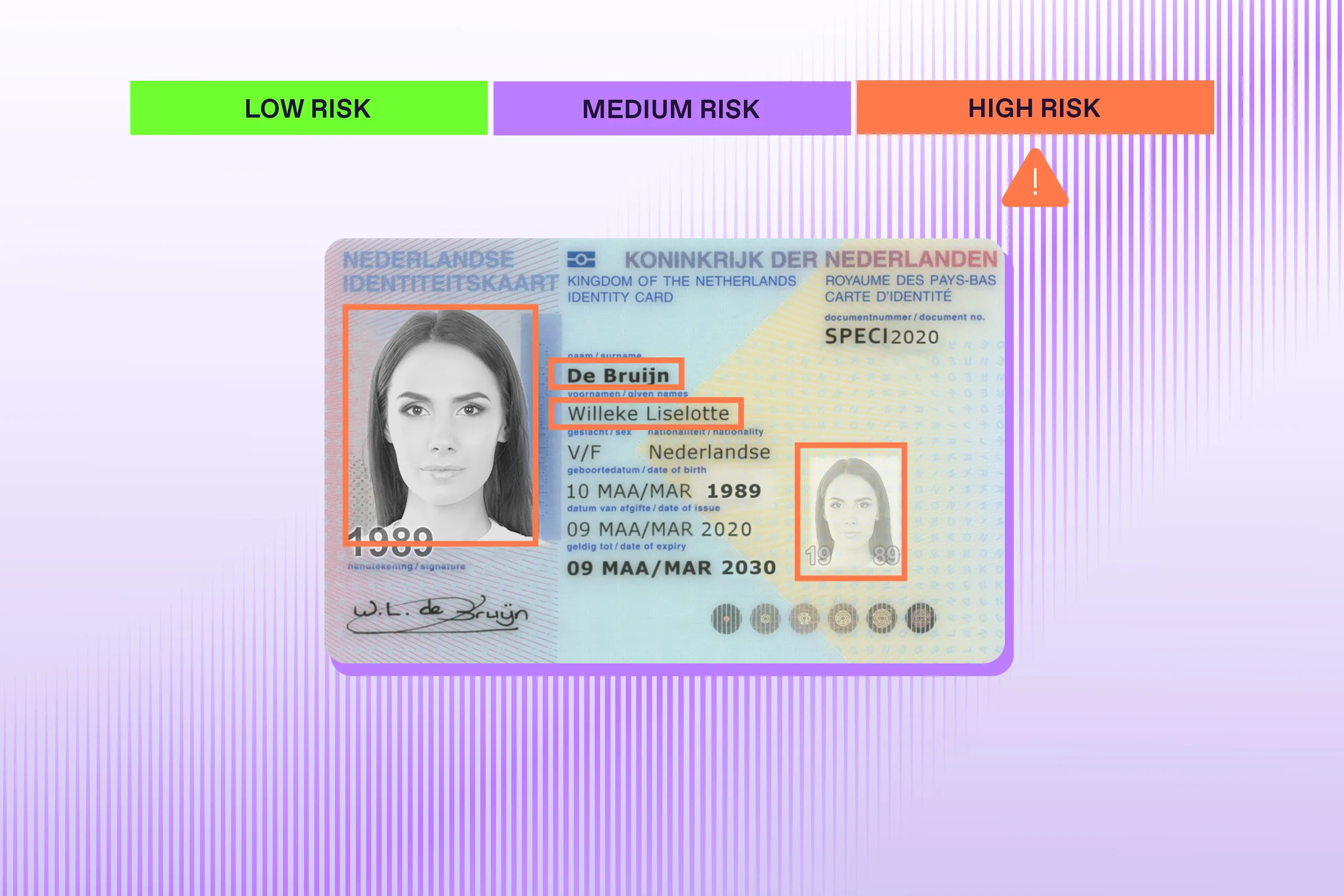
- Verify identity. Identity documents, trusted electronic sources, official records, or a combination of methods are used to establish that the customer is who they claim to be.
- Confirm the document holder. In remote workflows, face matching may compare the applicant’s facial image with the document portrait, while liveness detection helps determine whether a real person is present.
- Screen and assess risk. The organization may screen the customer against sanctions, PEP, watchlist, and adverse-media sources. It also assesses risk based on factors such as geography, occupation or industry, product, expected activity, and ownership structure.
- Monitor and update. Customer records and risk ratings are reviewed periodically or when relevant changes occur. Unusual activity, outdated information, or new risk indicators may trigger reverification or additional due diligence.
Who Must Apply Know Your Customer (KYC)?
How Can Regula Help with Know Your Customer (KYC)?
FAQ
Does Know Your Customer end after the account opens?
No. KYC continues throughout the customer relationship through ongoing monitoring and periodic or event-driven reviews. Activity inconsistent with the expected profile, changes in ownership or control, outdated records, or new risk information may trigger a KYC refresh. The identity evidence and risk assessment collected during onboarding provide a baseline for these later reviews.
How does Know Your Customer relate to a Customer Identification Program (CIP)?
CIP is a specific U.S. regulatory requirement for covered financial institutions to collect identifying information and verify a customer’s identity when opening an account. Identifying information is generally collected before the account is opened, although verification may be completed within a reasonable time afterward. KYC is a broader industry term that can include CIP, customer due diligence, risk assessment, screening, and ongoing monitoring. Other jurisdictions impose comparable identification requirements without using the CIP label.
When does Know Your Customer move into enhanced due diligence (EDD)?
Enhanced due diligence is required when a customer or business relationship presents a higher risk of money laundering or other financial crime. Relevant factors may include links to high-risk jurisdictions, complex or opaque ownership, certain PEP relationships, unusual activity, or concerns about the source of funds or wealth. EDD introduces additional evidence, scrutiny, approval, or monitoring while building on the identity information already collected through KYC. The precise triggers and measures depend on applicable law and the organization’s risk-based policy.
What should operators retain from a Know Your Customer check?
Organizations typically retain customer identity information, copies or descriptions of supporting evidence, verification methods and results, screening outcomes, risk assessments, and records of manual decisions or resolved discrepancies. Retention periods and permitted storage methods depend on applicable law and internal policy. Complete records support ongoing monitoring, regulatory audits, and financial-crime investigations.
Can electronic channels meet Know Your Customer requirements?
Yes, provided that remote verification methods meet applicable legal, security, and assurance requirements. Electronic KYC may combine automated document checks, trusted data sources, face matching, liveness detection, and fraud-risk signals, depending on the customer and use case. Remote processing does not reduce the need for reliable evidence, appropriate record-keeping, screening, and risk-based controls.
.webp)