Language

One-Time Password (OTP)

What is a one-time password (OTP)?

A one-time password (OTP), also called a one-time passcode, is a code intended to be accepted only once while it remains valid. It is commonly used during login or before a sensitive action and may form part of multi-factor authentication.
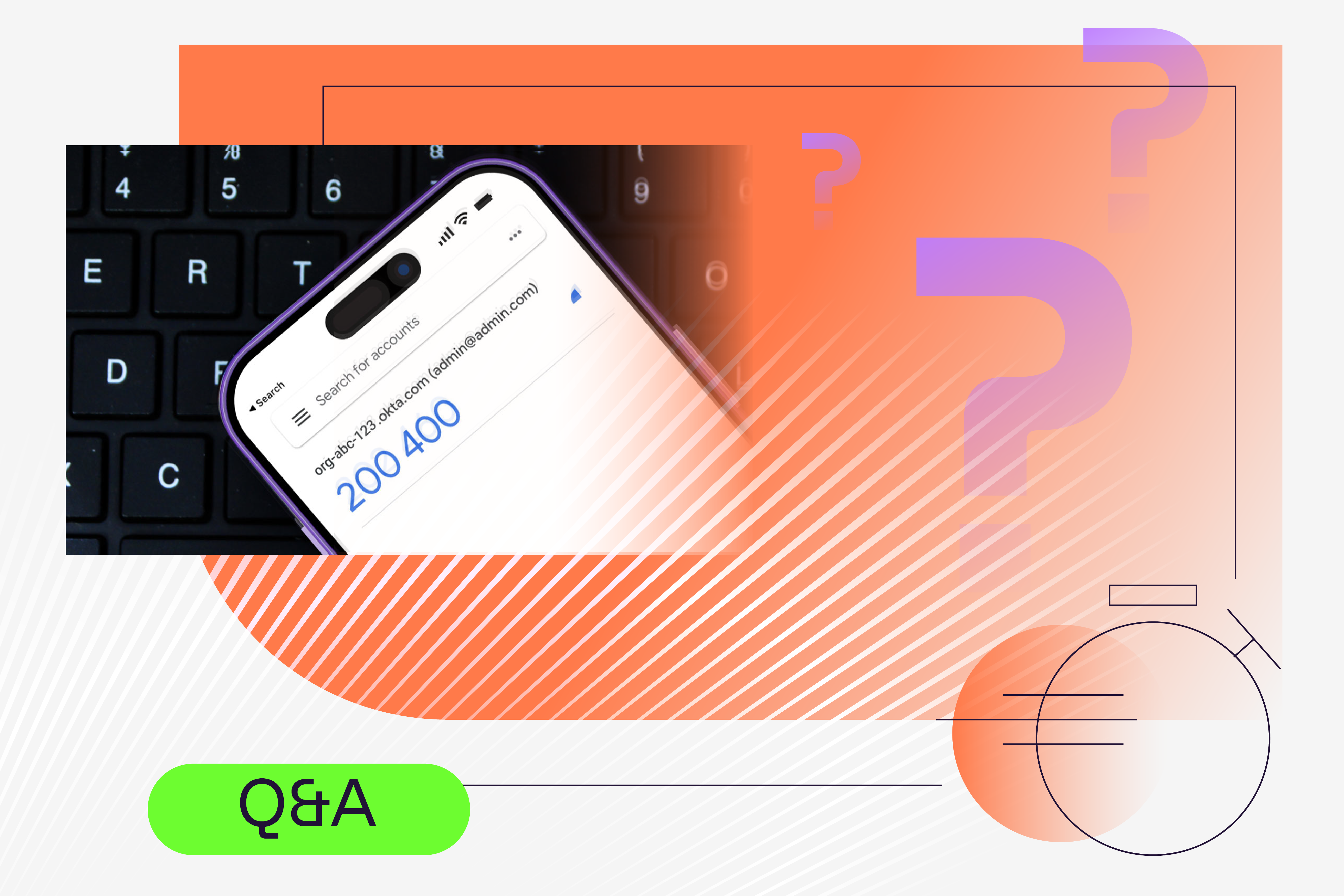
Unlike a regular password, an OTP is short-lived or changes after use. In the strict technical sense, an OTP is generated by an authenticator application or hardware device using a secret shared with the verification service. The code may change at regular time intervals or after the authenticator’s internal counter advances.
Services also send short-lived codes by SMS, voice call, email, or other channels. These are commonly called OTPs, although authentication standards distinguish them from authenticator-generated OTPs. NIST classifies codes sent to a registered device as out-of-band authentication secrets and does not permit email as an out-of-band authentication channel.

How does an OTP work?

During authentication, the user reads a code from an authenticator and enters it into the service. The verifier independently calculates the expected code and checks whether the submitted value matches, remains within its validity window, and has not already been accepted.
Time-based one-time passwords change at regular intervals using a shared secret and the current time. Counter-based OTPs generate a new value when the counter maintained by the authenticator and verifier advances.
Codes delivered by a service work differently. The service generates a temporary secret and sends it to a previously registered device through a separate channel. The user then returns the code through the authentication interface.
The verifier should limit failed attempts and accept each valid OTP only once. A short validity period reduces the time available for misuse, but it does not prevent an attacker from capturing and relaying the code immediately. Manually entered OTPs and out-of-band codes are therefore not phishing-resistant.

What are the limits of OTP verification?

An OTP shows that someone obtained a valid code from an authenticator or registered delivery channel. It does not independently establish who that person is.
Attackers may obtain OTPs through phishing pages, social engineering, compromised email accounts, malware, stolen devices, or SIM-swapping attacks. Because the user manually enters the code, an attacker can relay it to the legitimate service before it expires.
This limitation is particularly important during account recovery and sensitive account changes. A correct code may be insufficient if there is reason to doubt who controls the account or whether the registered device or delivery channel still belongs to the original user. In these situations, the organization may need stronger authentication or renewed identity evidence.

How can Regula help when an OTP is insufficient?

Regula supports identity verification when an organization needs stronger evidence of who is requesting access.
Regula Document Reader SDK can verify an identity document and extract its personal data and portrait. Regula Face SDK can compare the applicant’s current facial image with the document portrait or another verified reference and perform liveness detection.
An organization may trigger these checks during high-risk account recovery, suspected account takeover, or another sensitive request. The results can help establish whether the person completing the process matches verified identity evidence.

FAQ

Is an OTP the same as a regular password?

No. A regular password is generally reused until it is changed, while an OTP is intended to be accepted only once during a limited validity period. Both can be stolen or disclosed, so their security depends on how they are generated, transmitted, entered, and verified.

Is a code sent by SMS the same as a code from an authenticator app?

Both are commonly called one-time codes, but they are produced and delivered differently. An authenticator app generates an OTP locally using a secret associated with the account, while an SMS code is generated by the service and delivered through the mobile network. SMS codes inherit risks such as SIM swapping, number porting, message interception, and changes to the registered phone number.

Can an OTP be used without a password?

Yes. Some services use a generated or delivered code as a single-factor login or recovery method. In that case, the OTP does not provide multi-factor authentication because no second, independent factor is checked. The service should determine whether this level of assurance is appropriate for the account and requested action.

Can someone steal an OTP while it is still valid?

Yes. An attacker may persuade the user to reveal the code or enter it on a fraudulent website. The attacker can then submit the captured code to the legitimate service before it expires. Users should treat unexpected code requests as a possible sign of an account-access attempt.

Does using an OTP make authentication multi-factor (MFA)?

Not by itself. An OTP generated by an authenticator or sent to a registered device commonly represents a possession factor. It forms MFA when combined with a different factor, such as a password. If the OTP is used alone, the process remains single-factor authentication, even if it involves several screens or steps.
On our website, we use cookies to collect technical information. In particular, we process the IP address of your location to personalize the content of the site

Cookie Policy rules