


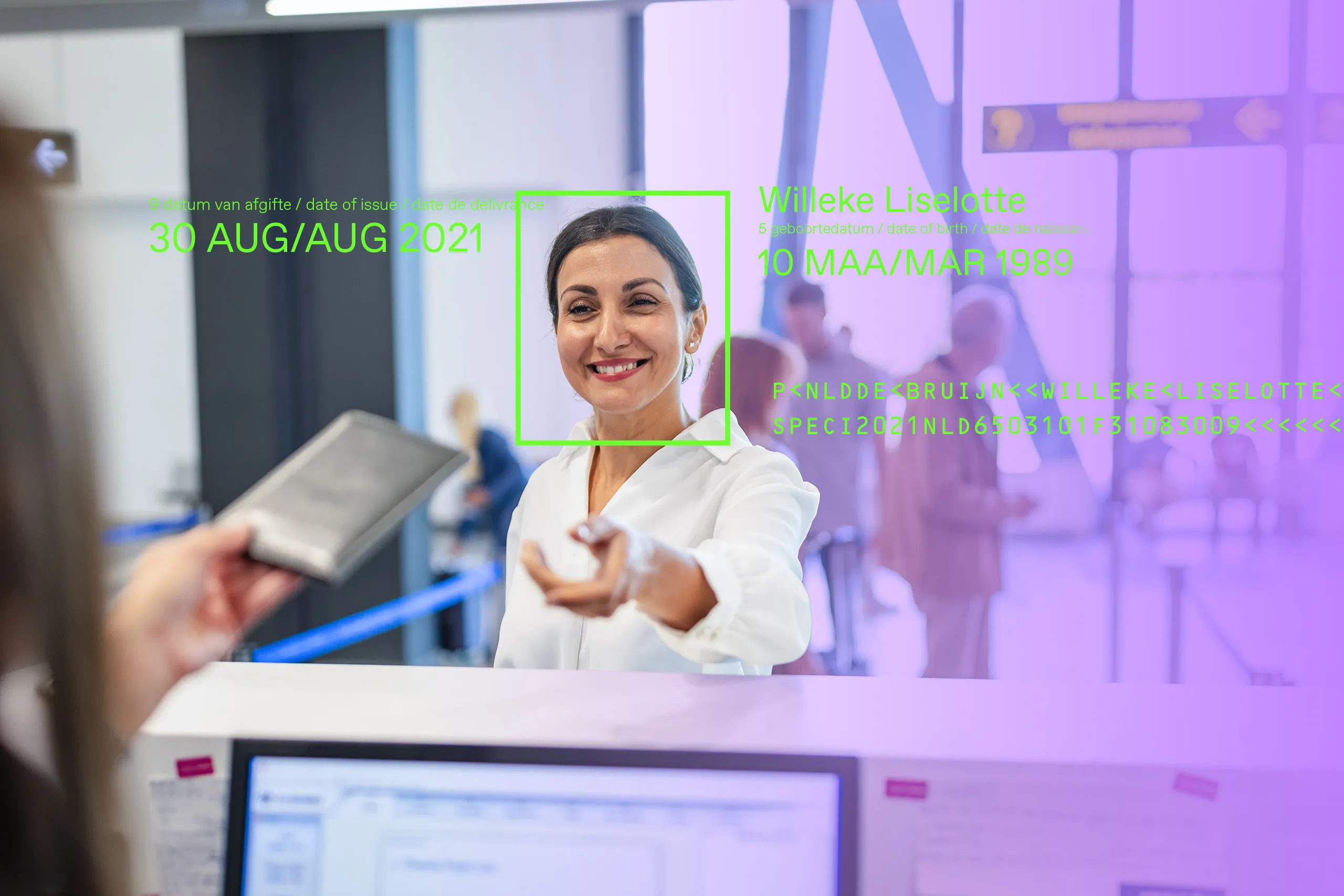
In brief: Biometric boarding can reduce repeated identity checks when enrollment establishes a trusted record that airport systems can reuse. The airline still authorizes boarding, and unresolved checks need a clear route to the appropriate staff.
An ID verification vendor’s aviation experience and support for the organization’s data requirements help determine how well those capabilities will fit everyday airport operations.
At airports such as Narita and Hong Kong, eligible passengers can board with only a quick look at a camera, keeping their boarding pass in their pocket. There’s now practical experience for other airlines and airports to draw on when considering the same service.
At the same time, some European biometric services have actually been suspended or discontinued, also showing how deployment plans can run into difficulties after launch. Understanding those experiences can help operators make better decisions about where to introduce biometrics and what it will take to keep the service running.
In this article, we’ll explain how biometric boarding works, look at real airport deployments, and consider how EES and European privacy decisions can inform airlines and airports planning their own projects.
Subscribe to receive a bi-weekly blog digest from Regula
What is biometric boarding?
Biometric boarding verifies a passenger’s identity at the gate using a physical characteristic, usually their face. A camera captures the traveler’s facial image and compares it with a reference portrait linked to their identity and flight details.
The reference may come from a verified passport, enrollment in an airline or airport program, or an approved government record. Once the passenger is recognized, the airline’s departure control system confirms whether they can board and records the boarding event.
The airline or its ground handler remains responsible for the boarding decision. Border authorities make independent entry and exit decisions, and security authorities oversee identity checks for security screening. An airport operator may provide the equipment used at several of these points. These responsibilities remain distinct even when systems exchange authorized information, as explained in ICAO’s Facilitation Manual and our article on identity verification in aviation.
How does biometric boarding work at an airport?
A boarding system needs to connect the person standing at the gate with a trusted identity and the airline’s current passenger record. How that connection is established depends on the specific biometric boarding program and the identity records already available.
Establishing identity before boarding
https://regulaforensics.com/blog/using-id-scanners-for-passport-readingIn an enrollment-based service, passengers register through an airline app, at a kiosk, or with an agent. Their document is authenticated and their face is compared with its portrait. If they already have an accepted enrollment or digital credential, the service may be able to reuse it, with a separate connection to the new flight.
For example, Regula Document Reader SDK can check the document’s authenticity, compare its printed and machine-readable data, and verify the signed data in an ePassport chip. An NFC-enabled phone can support chip checks during remote enrollment. The airline or relevant authority may also require the physical document to be presented at the airport for additional checks using a dedicated document reader.
CASE STUDY
AirAsia integrated Regula Document Reader SDK into its mobile app to support enrollment in FACES, its facial-recognition passenger-processing service. The software reads identity documents and cross-checks their data before passengers use the biometric service, with enrollment taking about 30 seconds.
Other programs start with photographs already held by the government. In the United States, the Traveler Verification Service operated by U.S. Customs and Border Protection (CBP) can use passenger manifests to assemble a flight-specific group of reference images from government records. That allows the departure check to use an existing portrait, even when the traveler hasn’t enrolled in an airline’s biometric service.
Connecting the facial match to the boarding decision
At the gate, the camera needs a usable image of the passenger approaching it. Camera placement, lighting, and the capture area affect whether that happens on the first attempt, particularly when people are moving together or need assistance.
The comparison can work in two ways:
-
With 1:1 verification, a presented boarding pass or credential identifies one reference record for comparison.
-
With 1:N identification, the system searches an authorized group of records, such as the passengers expected on that flight.
After recognition, the boarding application checks the passenger’s current status with the airline’s system. This way, if a passenger is moved to another flight after enrollment, the boarding application should check the updated flight record before authorizing boarding.
The same integration needs to recognize a passenger who has already boarded and check for any outstanding holds before recording a successful boarding. If an agent needs to take over, the system can pass along the results and the reason for the referral.
Resolving cases that need closer attention
When a passenger can’t complete the automated check, the next step depends on where it stopped. A blurred image may simply need another capture, whereas a clear image that fails to match calls for an agent to verify identity through the approved alternative. A booking or document hold goes to the airline or ground handler responsible for boarding.
The system can preserve the checks already completed and explain what remains unresolved, so staff can continue from that point. If there are signs of document tampering, the response follows the airport’s agreed referral procedures. At border control, that may mean second-line examination by trained border control officers.
CASE STUDY
At Wattay International Airport in Laos, immigration authorities deployed a Regula 4306 Video Spectral Comparator with support from the International Organization for Migration and the Australian Department of Home Affairs.
Officers can examine security features under different light sources, reveal alterations, and compare a questioned document with reference samples. The project also included practical training. This equipment supports immigration officers’ document investigations at the border, separately from the airline’s boarding process.
What benefits does biometric boarding offer airports and airlines?
The benefits depend on which tasks a biometric service takes over and how widely passengers can use it. Existing airport programs show where it can reduce repeated checks, move enrollment out of the terminal, and accommodate government requirements within boarding.
Fewer repeated passport and boarding-pass checks
At Narita, eligible ANA and JAL passengers using Face Express register their face, passport, and boarding information at a check-in kiosk. They can then use facial recognition at participating bag-drop, security-access, and boarding points. The same registration supports several checks, so passengers spend less of the departure process taking out documents and presenting them again.
Hong Kong’s Flight Token follows a similar approach and also supports eligible departure immigration through the Immigration Department’s Flight Token e-Channels. Each organization still makes its own decision, though, using an identity linked to the passenger’s travel information.
Less enrollment work at the airport
Registration can happen before passengers arrive, and some programs allow them to reuse it on later trips. That gives airports a way to offer biometric processing while limiting the enrollment work that needs to happen in the terminal.
Emirates’ November 2025 expansion at Dubai International lets eligible adult Skywards members register through the airline’s app. With consent, Emirates can use a biometric profile already held by Dubai’s immigration authority. Registration then supports future trips through equipped checkpoints, including selected boarding gates in Concourses A, B, and C.
Biometric exit checks within the boarding process
At participating U.S. international departure gates, CBP’s Traveler Verification Service incorporates the government’s biometric exit check into boarding. Some airlines also accept the resulting identity verification in place of a boarding-pass presentation.
This allows the two organizations to use the same facial comparison at a point the passenger already passes through, with the airline retaining control over boarding authorization. DHS describes these arrangements in its 2025 biometric entry/exit rule.
However, it’s important to assess the time involved as well. The same analysis estimated slightly longer boarding times per traveler during the earlier biometric exit pilots. Combining checks can help accommodate a government requirement, with any improvement in boarding speed still needing to be demonstrated in the actual operation.
FOR CONSIDERATION | Some systems have been discontinued since launch
The European examples show why the benefits also depend on a service’s ability to remain in operation. Lufthansa Group discontinued Star Alliance Biometrics at Frankfurt, Hamburg, Munich, and Vienna, citing technological and regulatory developments.
Milan Linate suspended FaceBoarding in September 2025. In a March 2026 decision, Italy’s data protection authority found the system’s biometric processing unlawful under the GDPR. Its findings included centrally stored templates outside passengers’ exclusive control, inadequate encryption, excessive retention, and processing of passengers who hadn’t enrolled. The airport operator, SEA, had stopped processing and deleted the data.
Those findings make storage, consent, and camera behavior practical design questions from the outset. Keeping an assisted, document-based process available also allows boarding to continue if the biometric service has to stop.
What can biometric boarding projects learn from Europe’s Entry/Exit System?
The EU Entry/Exit System offers a large-scale example of how biometric registration affects airport capacity. EES is a border-management system: border authorities use it for eligible non-EU nationals making short stays across the external borders of 29 participating European countries, including visa-exempt travelers and short-stay visa holders. Exemptions apply, including for many residence-permit and long-stay visa holders.
Becoming fully operational on April 10, 2026, EES records document details, facial images, fingerprints where required, and border-crossing information. Registration arrangements vary by location, with officers and self-service equipment supporting the process.
By August 6, 2026, the Commission reported more than 150 million entries and exits recorded. It also described a traveler linked to three previous attempts to enter under different identities, demonstrating the value of connecting records through biometrics.
At the same time, ACI EUROPE, Airlines for Europe, and IATA reported peak border waits of up to five hours in July 2026. They called for improvements in staffing, equipment availability, and system reliability. On September 14, The Guardian reported continued implementation delays at some crossings in nine participating countries.
For boarding projects, the main takeaway from all this concerns the capacity around the biometric check.
First-time registration takes longer than recognizing a returning traveler, and assistance needs can rise during busy periods. Enrollment facilities and staff availability therefore deserve their own capacity assessment, alongside the gate equipment. A fast comparison helps only once the passenger has reached it with a usable record.
How does biometric data handling affect the service?
Data handling affects passenger participation and whether a service can remain in operation in the first place. Airlines, airport operators, and suppliers need a clear account of who processes each record, for what purpose, and under which access and deletion rules.
In IATA’s 2025 Global Passenger Survey, 74% of respondents were willing to share biometric information to avoid presenting a passport or boarding pass. Among those unwilling to share, 42% said sufficient privacy guarantees could change their decision. That creates a reason to make the protections both meaningful and understandable during enrollment.
In practice, the design needs to account for facial images, biometric templates, access records, and copies held by suppliers. Encryption protects stored and transmitted information, access controls limit who can use it, and deletion rules set its lifetime. For optional services, a usable document-based alternative allows passengers to decline biometric enrollment.
Regula IDV Platform can coordinate document and biometric checks from SDKs and connected equipment, including readers and kiosks, through configurable workflows. On-premises deployment keeps that processing and storage within the organization’s chosen infrastructure, where it can apply its access and retention policies. This provides control over deployment; the legal basis and permitted uses still depend on the service itself.
Why choose Regula for a biometric boarding project
Biometric boarding is most useful when it reduces the total effort involved in checking a passenger, including enrollment and the cases that need staff. That takes dependable document checks, a reliable connection to flight information, and data arrangements the participating organizations can maintain. That’s where a provider’s experience with live airline and airport systems becomes particularly useful.
Regula has worked on AirAsia’s FACES enrollment and the mobile check-in services of Wizz Air and Pegasus Airlines. That experience also extends to airport hardware: ICTS Europe Systems integrated Regula document readers with TravelDoc and deployed more than 80 devices across European airports serving U.S.-bound flights.
Regula’s hardware is also used at more than 80 borders worldwide, supporting authorities responsible for official document inspections. That adds border-control experience to our work with airlines and their partners, in settings where verifying a traveler’s identity helps determine whether they can enter or leave a country.
Regula Document Reader SDK verifies and authenticates identity documents, Regula Face SDK provides facial matching and liveness detection, and Regula IDV Platform combines document and biometric checks into configurable verification workflows. Together, they give airlines and airports a way to connect remote enrollment with checks on site, with on-premises deployment available for organizations that need to keep verification data within their own infrastructure.
Talk to Regula about your biometric boarding project to discuss how these checks could fit your existing systems, passenger volumes, and data requirements.


