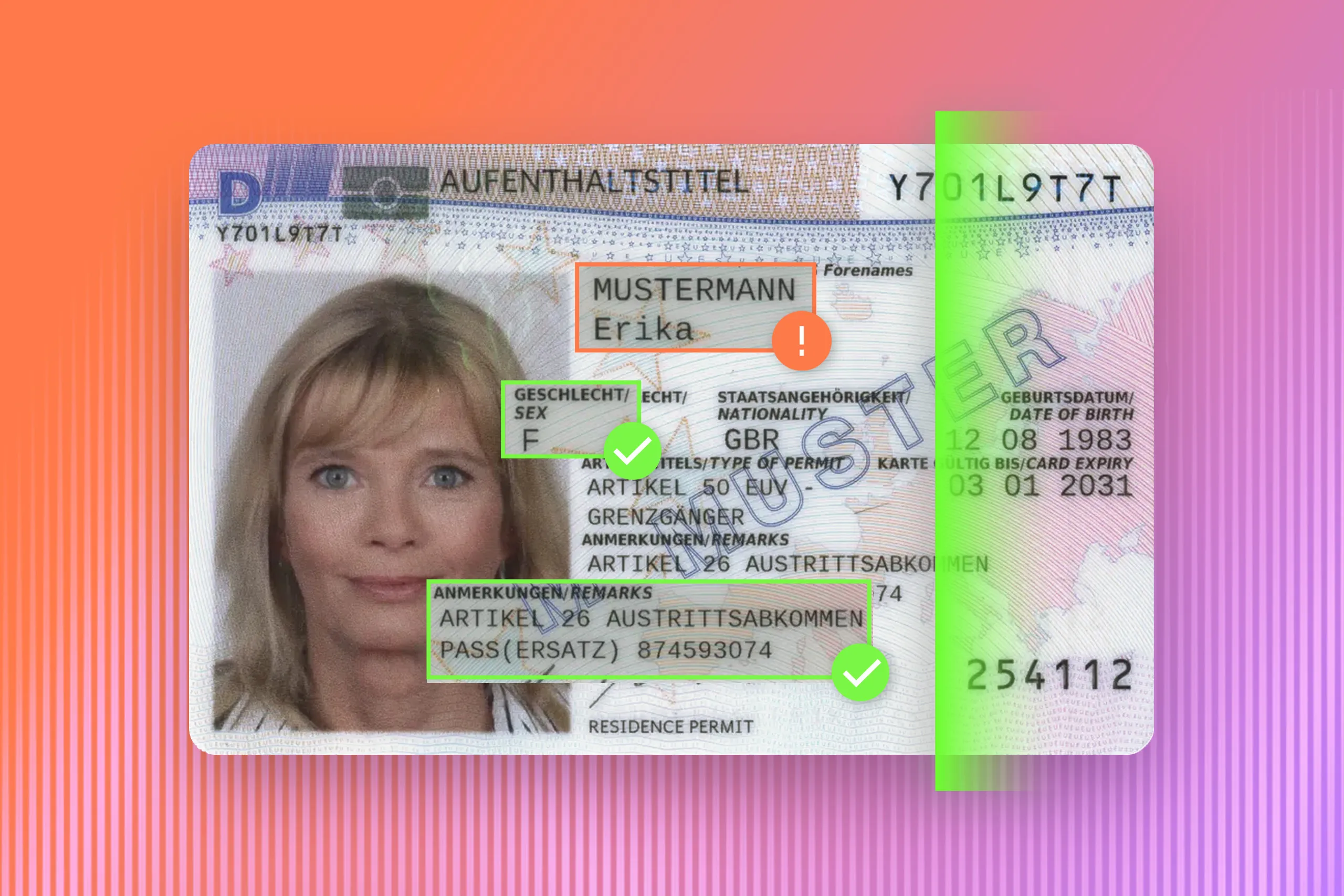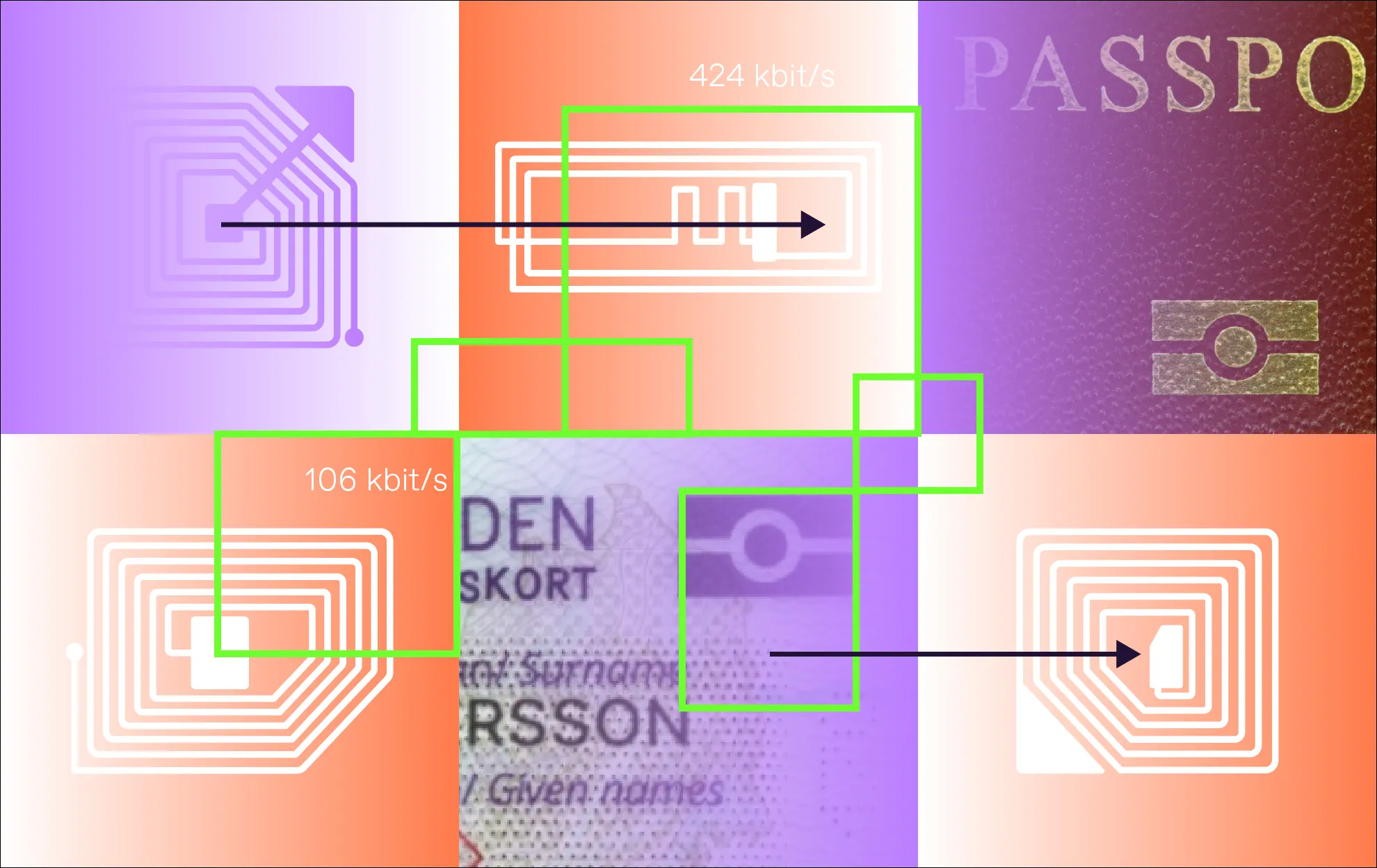


Biometric identity documents have become the global standard for identity verification. From passports with embedded chips to national ID cards storing fingerprints or iris scans, many countries now use biometrics to boost security and reduce document fraud.
But the technology adoption is uneven — some countries are pioneers, while others are just testing the waters.
This blog explores where biometric ID documents are in use, which types are most and least common (and why), and how this affects companies that verify customers using these documents.

Subscribe to receive a bi-weekly blog digest from Regula
What are biometric identity documents?
A biometric identity document (ID) is any ID that stores the holder’s biometric data, like fingerprints, facial images, or iris scans.
In practice, the most common types of biometric IDs are passports and national ID cards. Some documents for foreign residents and professional use, such as seafarers’ or crew members’ certificates, also contain embedded chips.
Surprisingly, driver’s licenses are still in the minority. Only a few countries issue biometric versions today.
From a technical standpoint, an ID is considered biometric if it includes:
An embedded electronic chip supporting RFID and/or NFC technology.
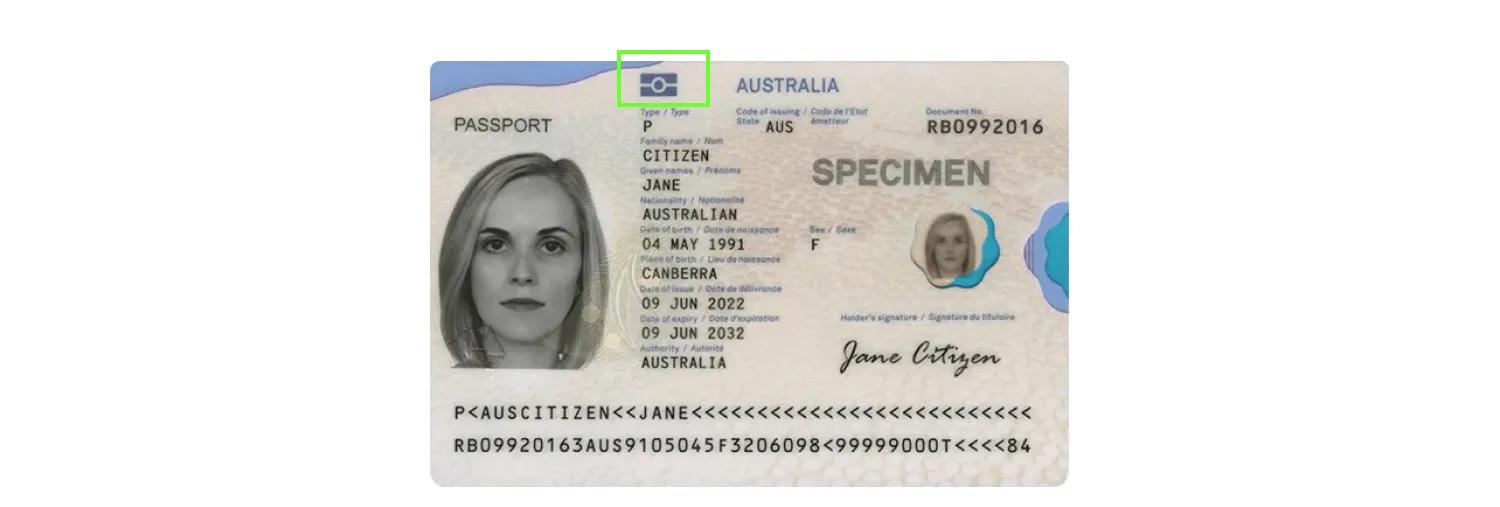
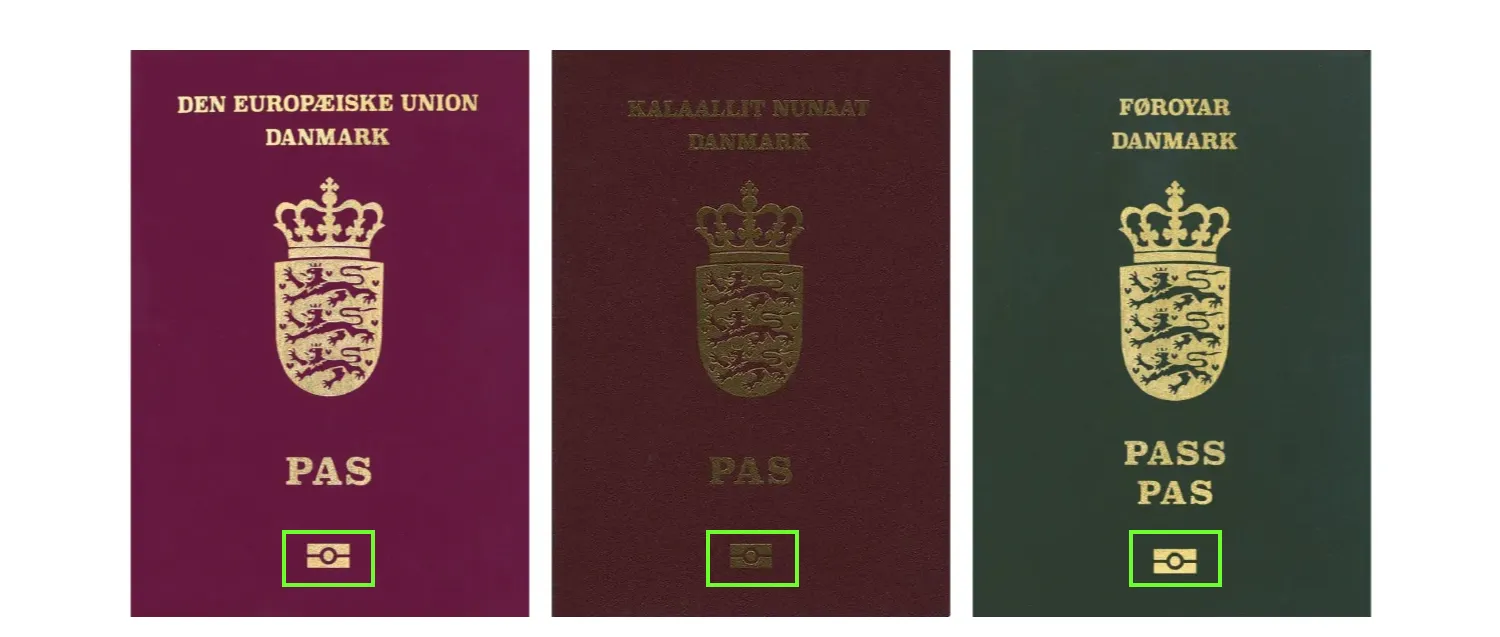
A “chip inside” icon on the datapage and/or front page/cover.
A machine-readable zone (MRZ), barcode, and/or Card Access Number (CAN) for chip access.
A facial image stored on the chip for biometric facial matching.
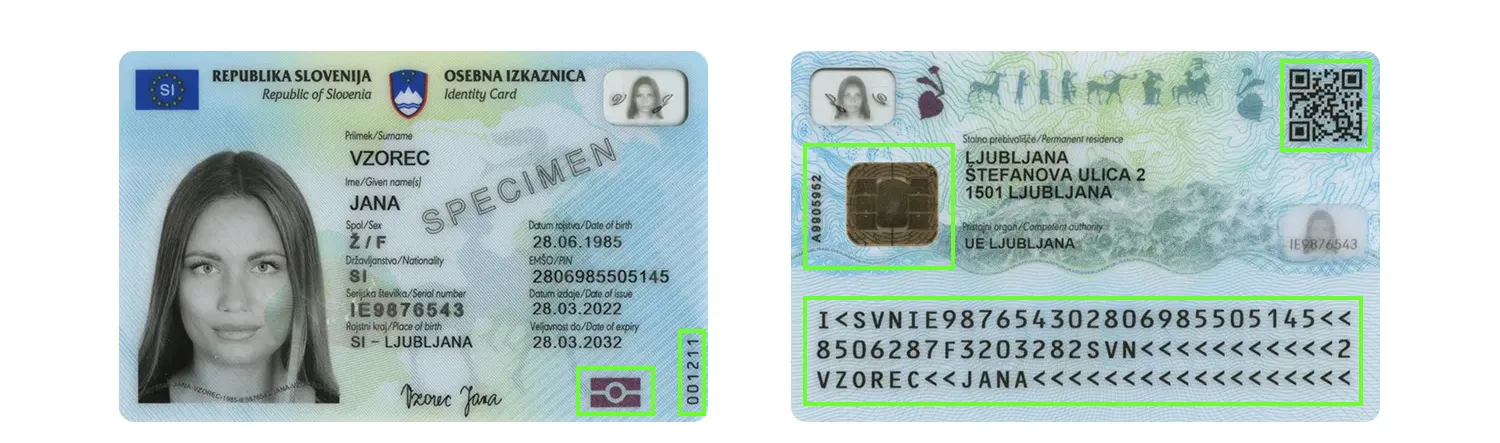

Biometric ID integration often involves compliance with global standards for document interoperability.
These features follow global and local standards that ensure interoperability — whether IDs are verified on-site or remotely.
For example, ICAO’s Doc 9303 outlines the essentials of biometric machine-readable travel documents. It defines what biometrics can be stored, how chip data should be structured and secured, and more.
Other standards related to biometric ID integration include:
ISO/IEC 39794 — Specifies the format for storing facial images on the chip, which was recently updated.
ISO/IEC 18013 (containing several parts) — Covers driver’s licenses, including electronic ones.
ISO/IEC 14443 — Describes how chips and readers communicate.
Biometric identity document verification also relies on Public Key Infrastructure (PKI), which ensures the trustworthiness of chip data. Countries issue security certificates along with biometric IDs. These certificates are used during verification and exchanged through the ICAO Public Key Directory (PKD) or other trusted bilateral channels.
Next, let’s take a look at how countries across the globe use biometric identity documents — and where they’re most common.
Global overview: Where biometric IDs are issued
Note: This overview draws in part from Regula’s document template database, which is continually updated and currently includes over 16,000 identity documents from 254 countries and territories.
Biometric ID integration varies widely around the world, and so does how we measure it. For example, about 170 countries now issue biometric passports, but only a few offer biometric driver’s licenses. Some governments don’t use biometric IDs at all.
Several factors explain the global disparity in adoption rates:
Tech readiness: To launch biometric ID programs, countries must connect to global infrastructures for chip reading and biometric validation, while also building domestic systems. For instance, Angola signed a 10-year contract with a security printer to launch biometric passports, highlighting how long such transitions can take.
Cost: Setting up cryptographic infrastructure, national databases, and biometric ID production demands significant investment. For many governments, it’s not a top priority. For example, Sri Lanka has been collecting biometric data from passport applicants since 2015, but its first biometric passport series was launched only in 2024.
Privacy concerns: Public skepticism can delay or derail implementation. People worry about surveillance, misuse of personal data, and security breaches. These concerns are not unfounded — El Salvador, for example, experienced a major breach compromising the personal details of over 5 million citizens. By the way, the country still doesn’t issue biometric IDs.
Regulatory maturity: Managing biometric IDs requires strong, up-to-date data protection laws. Not all countries have these. Even those with established systems must continue updating regulations. India, for example, recently introduced the Digital Personal Data Protection (DPDP) Rules to complement its long-running Aadhaar system with GDPR-style safeguards.
With these factors in mind, let’s look at where biometric IDs are currently in use.
Europe
Biometric ID adoption rate: High
Countries in the region: 45
| Type of ID | Number of countries that issue them |
|---|---|
| Biometric passports | 45 |
| Biometric national ID cards | 37 |
Most EU countries issue both ID cards and passports with biometric data. Some, like Germany, were early adopters of biometric passports. Mass production of EU biometric passports began in the 2000s, while biometric national ID cards were introduced in the 2010s.
Biometric driver’s licenses are far less common. In Europe, only the Netherlands actively uses them.

The Netherlands is one of the countries that issue driver’s licenses with embedded chips.
In Europe, countries with biometric ID cards include all nations except North Macedonia, Serbia, and Switzerland. However, Switzerland plans to launch electronic IDs by the end of 2026. Also, some states like Andorra, Denmark, and the UK don’t issue national identity cards at all.

North Macedonia is one of the few countries in Europe that have non-biometric ID cards.
The region is also advancing toward digital identity integration. EU countries are actively engaged in initiatives like eIDAS and the European Digital Identity Wallet, which aim to build a unified ecosystem for cross-border identification and digital transactions between citizens and organizations.
Asia
Biometric ID adoption rate: Low to Middle
Countries in the region: 52
| Type of ID | Number of countries that issue them |
|---|---|
| Biometric passports | 47 |
| Biometric national ID cards | A few issue IDs with non-standard chips |
Asia stands out for its diversity — economically, politically, and culturally. It also includes the world’s most populous countries, such as China, India, Bangladesh, and Indonesia.
As a result, biometric ID integration in Asia varies more than in any other region. Many countries, including Japan, Laos, and the Philippines, issue ICAO-compliant, biometric passports. Exceptions include Afghanistan, Bhutan, and Myanmar, among others.
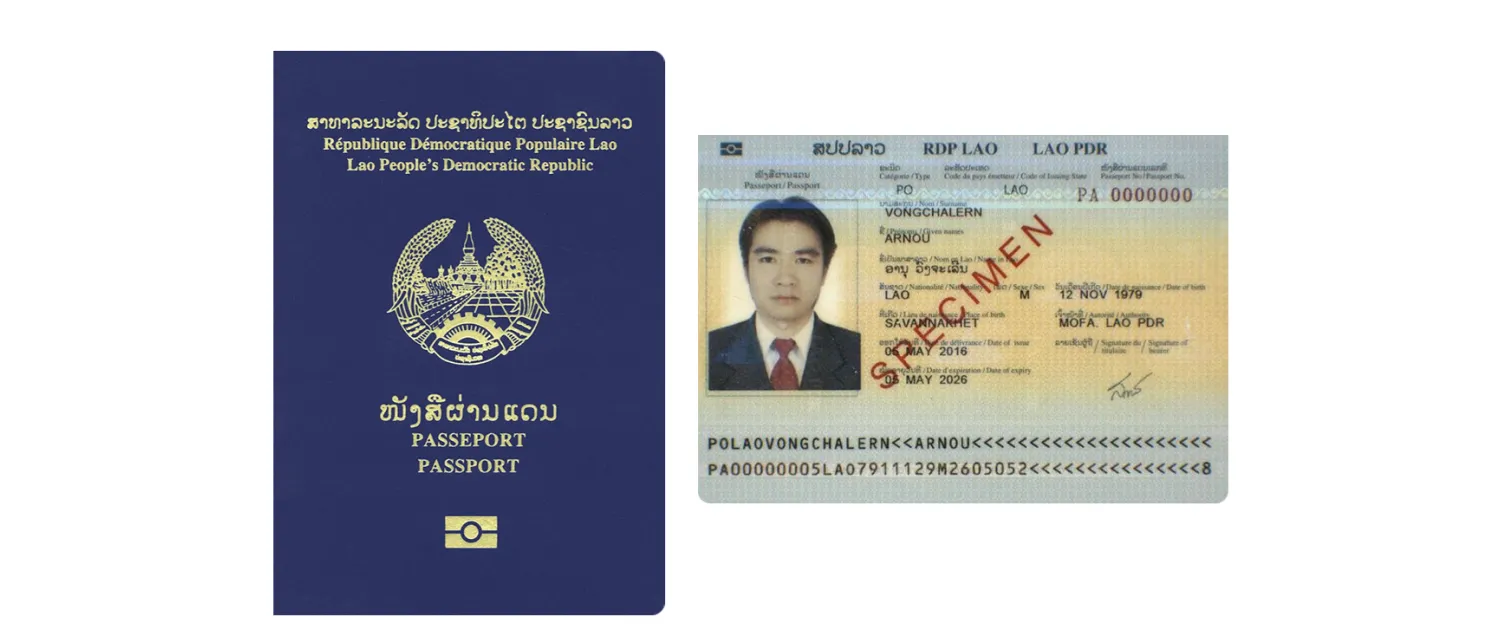
Laos is an example of an Asian country that issues ICAO-compliant biometric passports.
However, biometric ID cards are less common, even though ID cards are standard domestic documents in 48 out of 52 countries. This may be due to the sheer scale of the populations involved and the added complexity of managing biometric data across diverse ethnic groups.
What’s more, in many cases, biometric data in domestic IDs is not accessible to third-party verifiers. For example, China issues different national ID cards for ethnic groups such as Mongols, Tibetans, and Koreans. These cards are bilingual and can only be fully read by Chinese authorities using authorized readers. The same restriction applies to Chinese biometric passports.
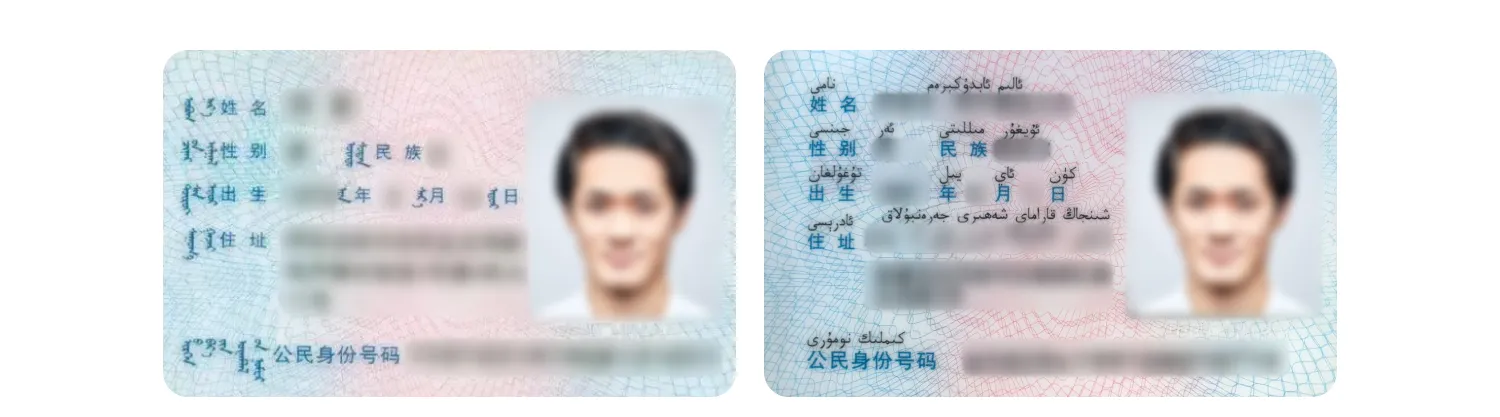
In China, where many ethnic groups live, biometric ID cards vary widely.
Countries with digital ID in the region include Singapore and China, and some others, like Pakistan, are now moving toward digital ID systems.
Middle East
Biometric ID adoption rate: High
Countries in the region: 16*
| Type of ID | Number of countries that issue them |
|---|---|
| Biometric passports | 15 |
| Biometric national ID cards | Many countries issue IDs with non-standard chips |
Geographically, the Middle East overlaps with Asia and Africa, but it’s practical to view it as a separate category — mainly due to language and regional coordination. Arabic, one of the dominant languages in the region, is written right-to-left, which influences the layout of ID documents issued there.
Another distinguishing factor is the presence of state unions that follow shared principles in document issuance.
A notable example is GCC national ID cards, issued by Bahrain, Kuwait, Oman, Qatar, Saudi Arabia, and the UAE — all members of the Gulf Cooperation Council (GCC). These biometric IDs are regionally aligned yet distinct in design and security features. For instance, Oman’s ID uses an 8-digit number, while the UAE’s uses 15 digits. Despite the differences, these cards serve as versatile proof of identity across the GCC countries.
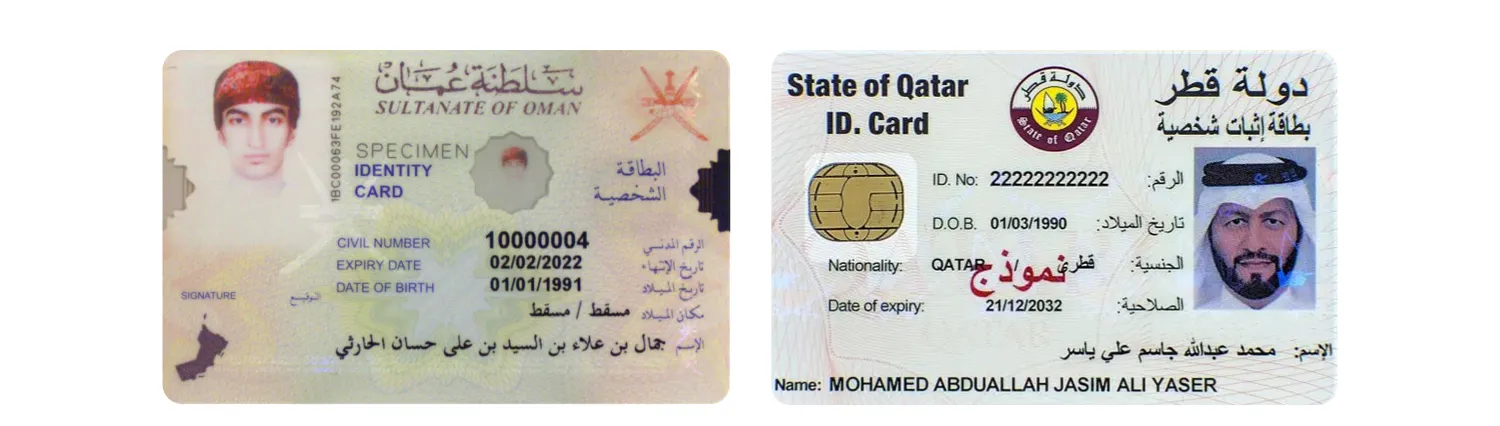
GCC national ID cards are accepted as travel documents within the GCC member states.
All GCC members also issue ICAO-compliant biometric passports. Some, like the UAE, also have digital alternatives.
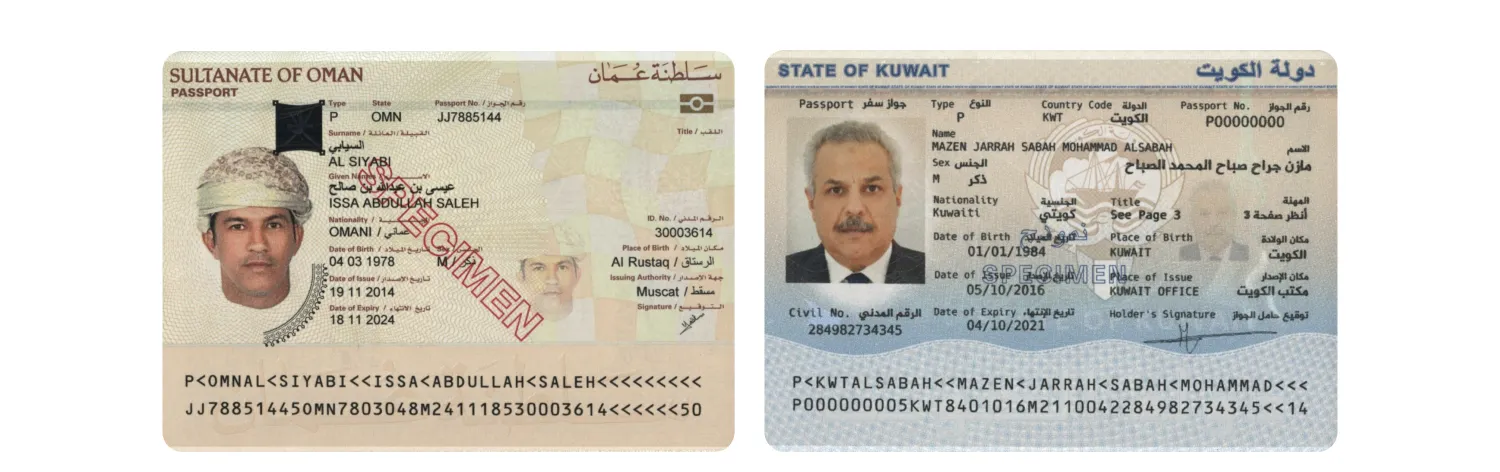
Biometric passports issued by Middle Eastern countries follow ICAO standards.
Countries in the Middle East beyond the GCC generally issue biometric travel documents as well. Yemen is a notable exception, still using machine-readable passports.
Middle Eastern states also have biometric domestic documents — primarily, national identity cards. However, most electronic chips used in these cards do not follow a standard format and can’t be read by non-authorized verifiers.
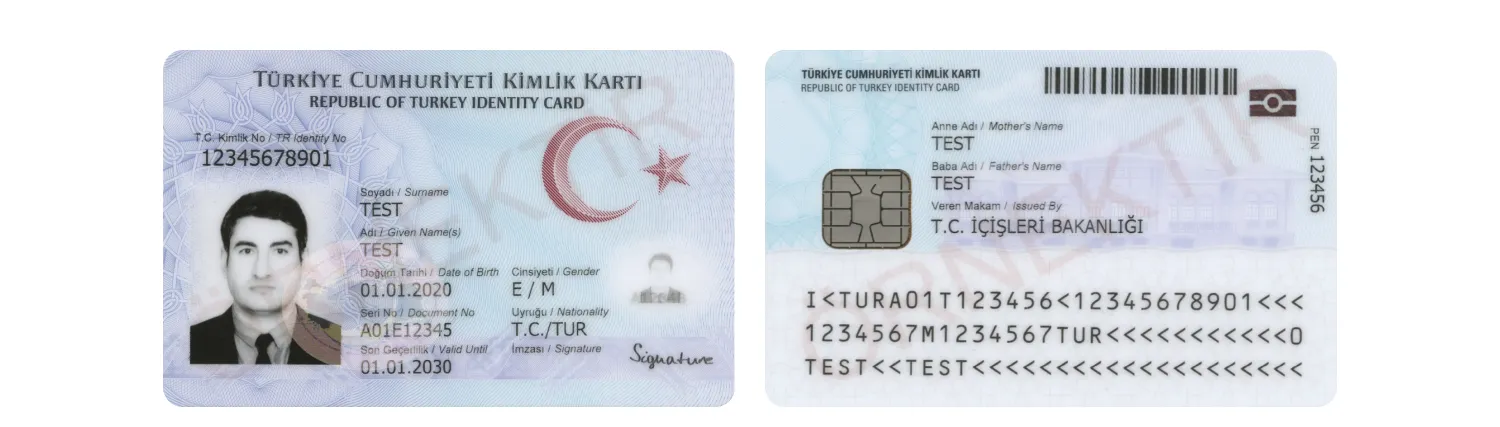
The layout of Türkiye's identity card is similar to those used in EU countries. It also stands out with its chip that can be accessed by any standard document reader, either on-site or remotely.

The Israeli biometric identity card is in Hebrew, a right-to-left language. For this reason, its layout is similar to cards in Arabic.
*In this overview, Egypt is considered an African country.
Africa
Biometric ID adoption rate: Middle to High
Countries in the region: 55
| Type of ID | Number of countries that issue them |
|---|---|
| Biometric passports | 44 |
| Biometric national ID cards | 19 |
In terms of biometric ID issuance, Africa shares some similarities with Asia. Both regions have a similar number of countries, many of which are highly populated and vary widely in economic and political development.
However, biometric ID integration in Africa shows even greater variation.
Generally, most countries in the region currently use biometric passports. Exceptions, among others, include Eritrea, Eswatini, Libya, and Niger, where issuing electronic travel documents is hardly a top priority due to economic challenges or political instability.
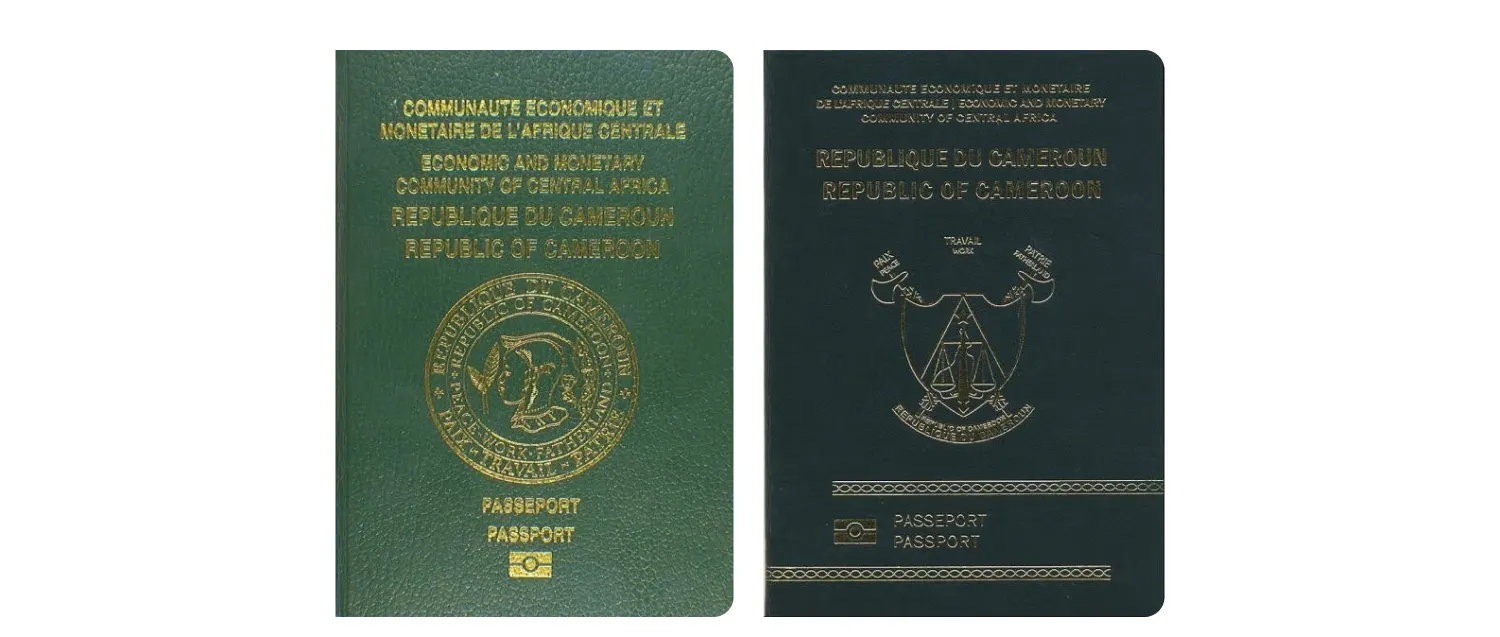
Some African countries began issuing biometric passports in the 2010s. For instance, Cameroon currently has two e-passport generations launched in 2013 and 2021.
Countries — like Ethiopia — provide both biometric passports and electronic ID cards. By the way, ID card adoption in Africa is as high as in Asia — 53 of 55 states (except São Tomé and Príncipe and Niger) use them. However, only 19 African ID cards feature electronic chips.

Roughly one-third of African countries, including Ethiopia, now use biometric ID cards.
Notably, Cameroon issues biometric ID cards following the latest ICAO standard for portrait-oriented IDs — a format first adopted by Iceland.
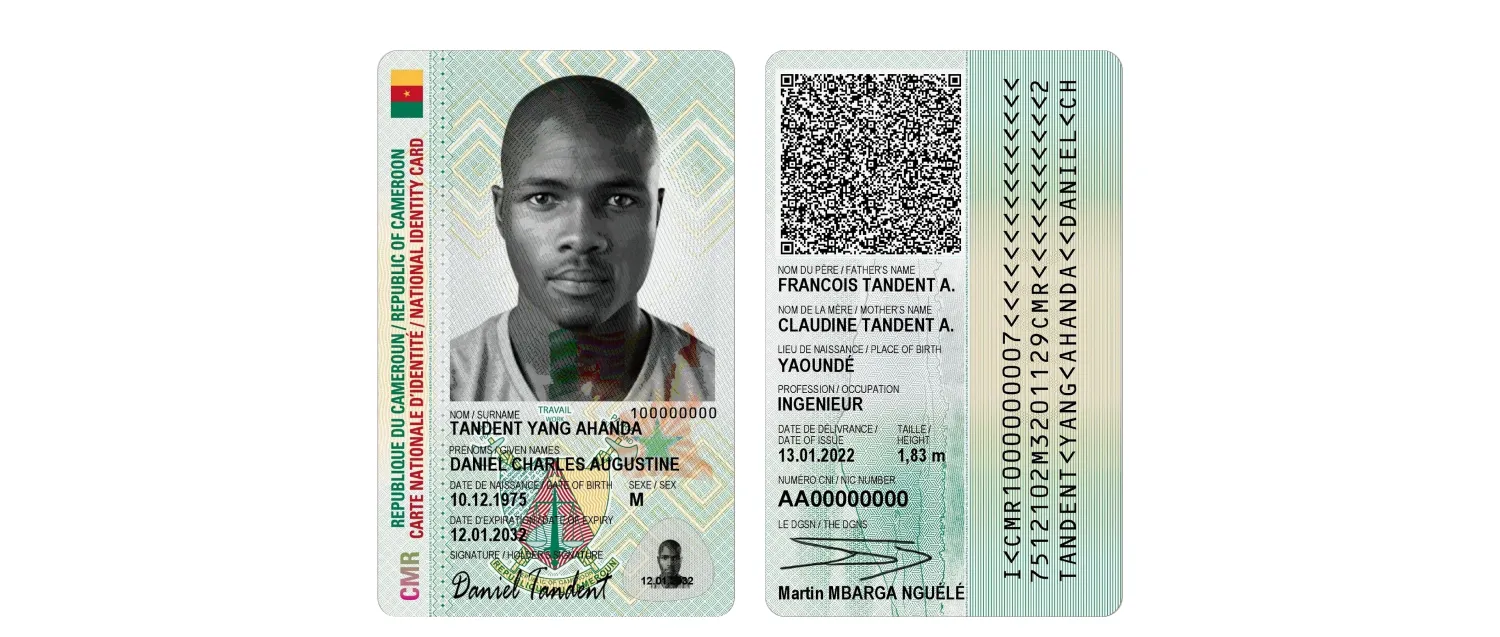
Cameroon became the second country in the world to issue a portrait-oriented ID card compliant with ICAO standards.
Members of the Economic Community of West African States (ECOWAS) issue standardized biometric ID cards, though the designs may vary.
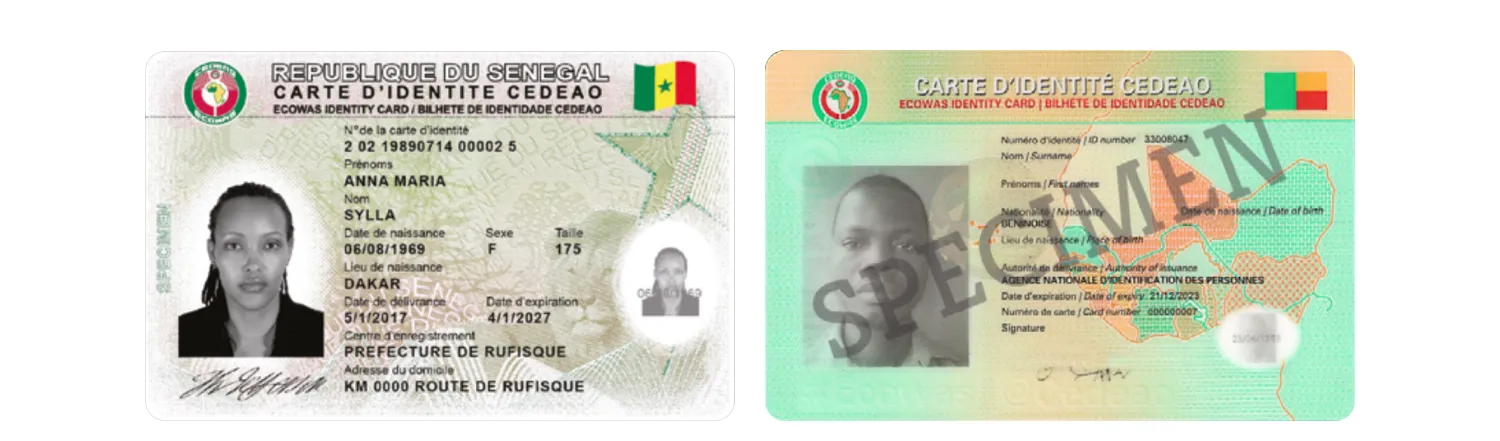
ECOWAS member states follow mutual agreements when issuing biometric IDs. The presence of the corresponding inscription on the front is one of the requirements.
Another interesting case in Africa is Egypt, which stands out globally as one of the few countries that issue biometric driver’s licenses.

While Egypt still doesn’t issue biometric passports, it does issue electronic driver’s licenses.
Digital identity is also starting to gain ground. According to the African Union, 85% of countries now have electronic ID systems. Still, many continue to rely on paper-based civil registries and manual verification. While more than 70% of countries collect biometric data — and some, like Kenya and South Africa, support digital ID verification — most identity checks still depend on physical ID card inspection.
Americas
Biometric ID adoption rate: Low to Middle
Countries in the region: 35
| Type of ID | Number of countries that issue them |
|---|---|
| Biometric passports | 29 |
| Biometric national ID cards | A few countries issue IDs with chips |
Contrary to common assumptions, there aren’t any major differences in electronic ID adoption across North, Central, and South America. However, the region includes several large nations — Argentina, Brazil, Canada, Mexico, and the USA — where ID issuance is decentralized, often managed at the state or provincial level. As a result, domestic IDs can vary significantly within a single country.
Most countries in the Americas now issue biometric passports aligned with international standards. Exceptions are Cuba, the Dominican Republic, El Salvador, Guatemala, Nicaragua, and Trinidad and Tobago.
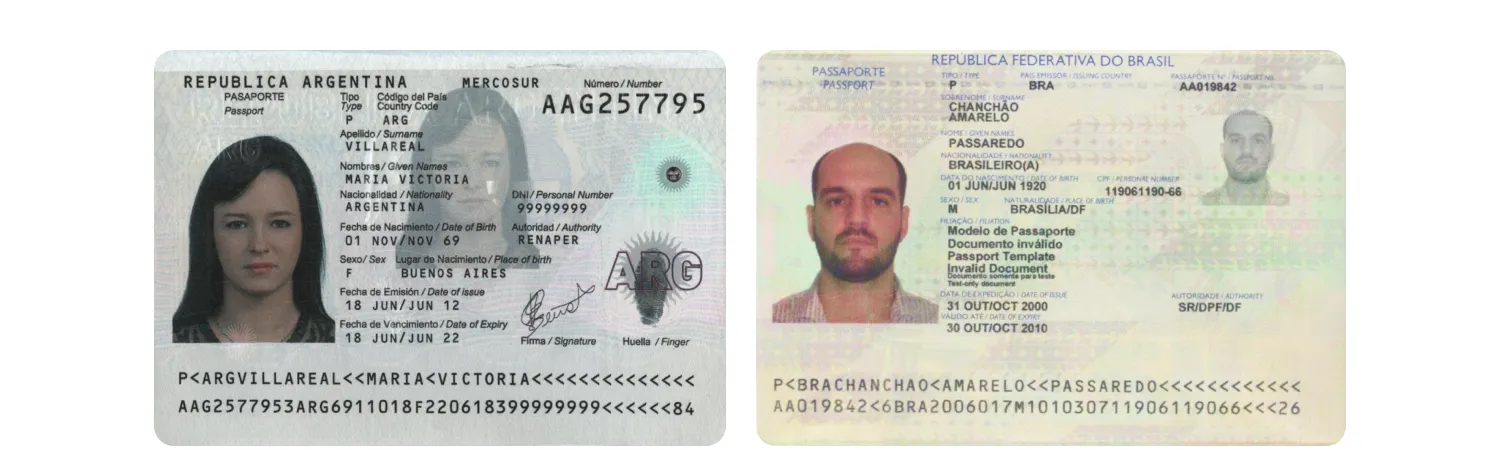
South American biometric passports, including those issued to citizens of Argentina and Brazil, are ICAO-compliant.

The biometric passport issued by Bermuda, a British island territory, stands out because it has used the passport code BMU instead of GBR since 2024.
There are also regional unions that influence document design — for example, the Central America-4 Border Control Agreement, the Caribbean Community, and the Andean Community of Nations. Member states in these groups issue passports with shared design elements.
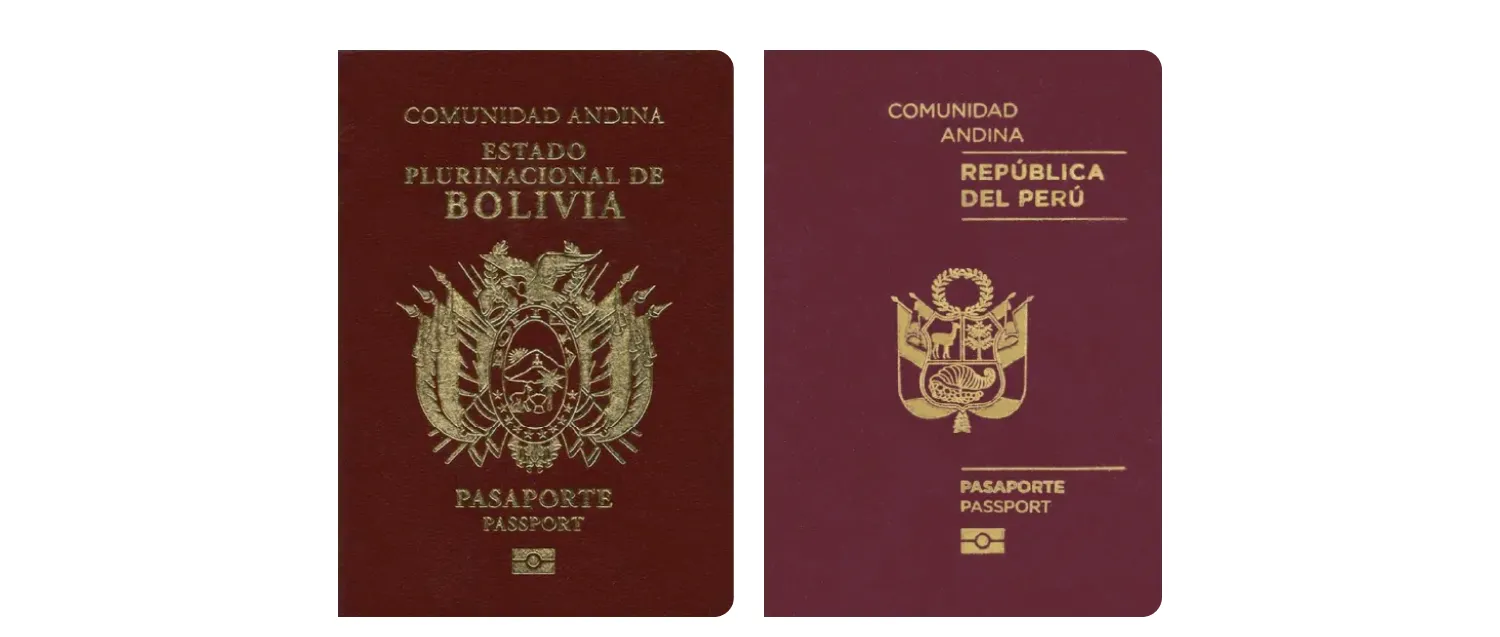
Biometric passports issued by Andean Community of Nations members, such as Bolivia and Peru, include the corresponding inscription on the cover.
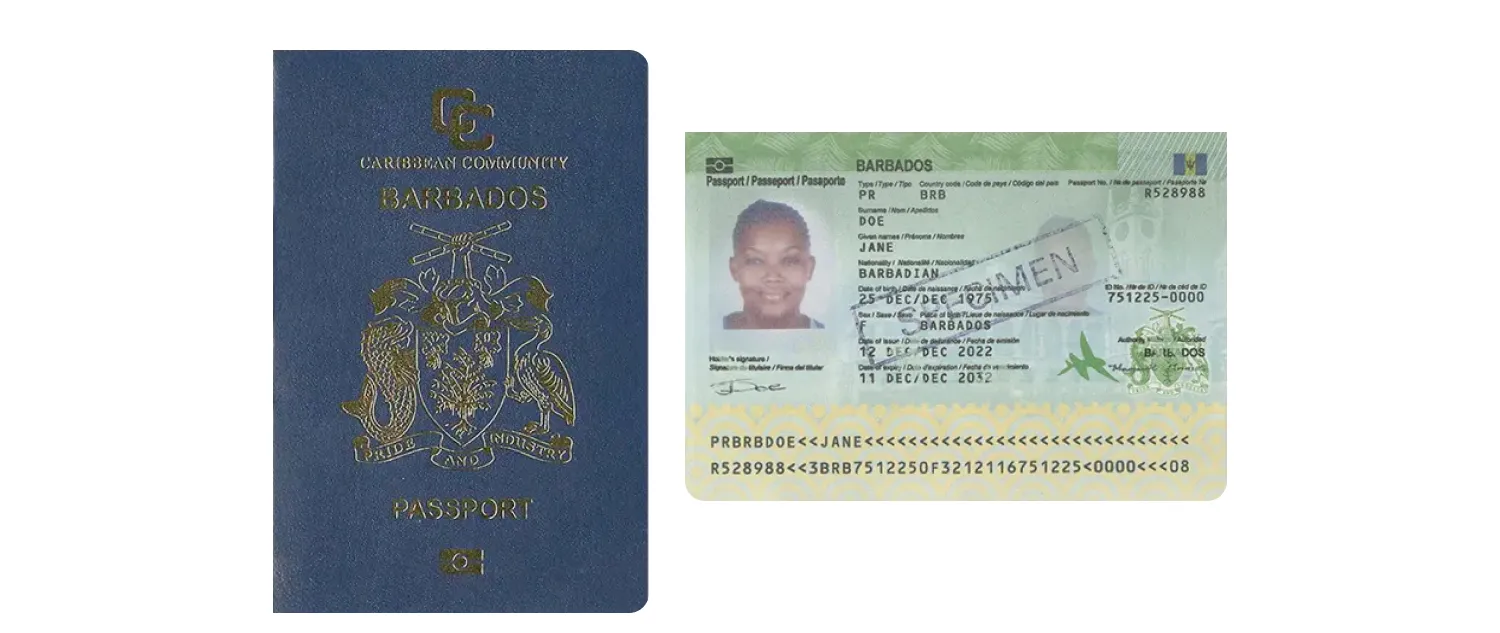
Barbados, a Caribbean Community member state, features the union emblem on its passport cover.
When it comes to domestic biometric IDs, countries in the Americas currently show low adoption rates; nevertheless, all states in the region except Grenada have this type of ID. Currently, a few countries like Argentina, Barbados, Chile, and Uruguay issue physical ID cards with embedded chips.
Additionally, St. Kitts and Nevis has recently launched its digital transformation project, which includes the issuance of ICAO-compliant chip-enabled ID cards and the rollout of a national digital ID by 2026.
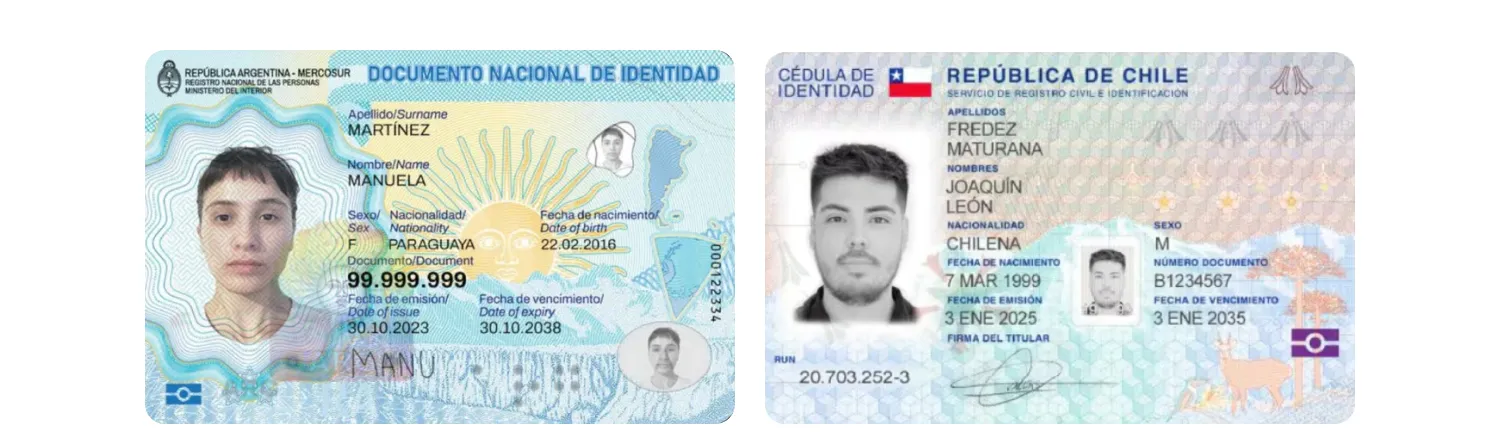
Argentina and Chile are among the few states in the Americas that use biometric identity cards. Both are compatible with international standards for this type of identification.
Also, some US states now issue mobile driver’s licenses and ID cards, and similar projects are underway in Mexico, Argentina, and Panama.
Oceania
Biometric ID adoption rate: Low
Countries in the region: 14
| Type of ID | Number of countries that issue them |
|---|---|
| Biometric passports | 5 |
| Biometric national ID cards | None |
Oceania is unique in that it includes one continent — Australia — alongside many island nations and overseas territories connected to countries from other parts of the world. Interestingly, some of the world’s rarest passports are issued in this region.
These vast differences in country size and infrastructure influence biometric ID integration. While a few independent island states like Fiji issue electronic passports, most, such as Kiribati, Marshall Islands, Micronesia, Nauru, Palau, Papua New Guinea, Samoa, Tonga, and Tuvalu, do not.
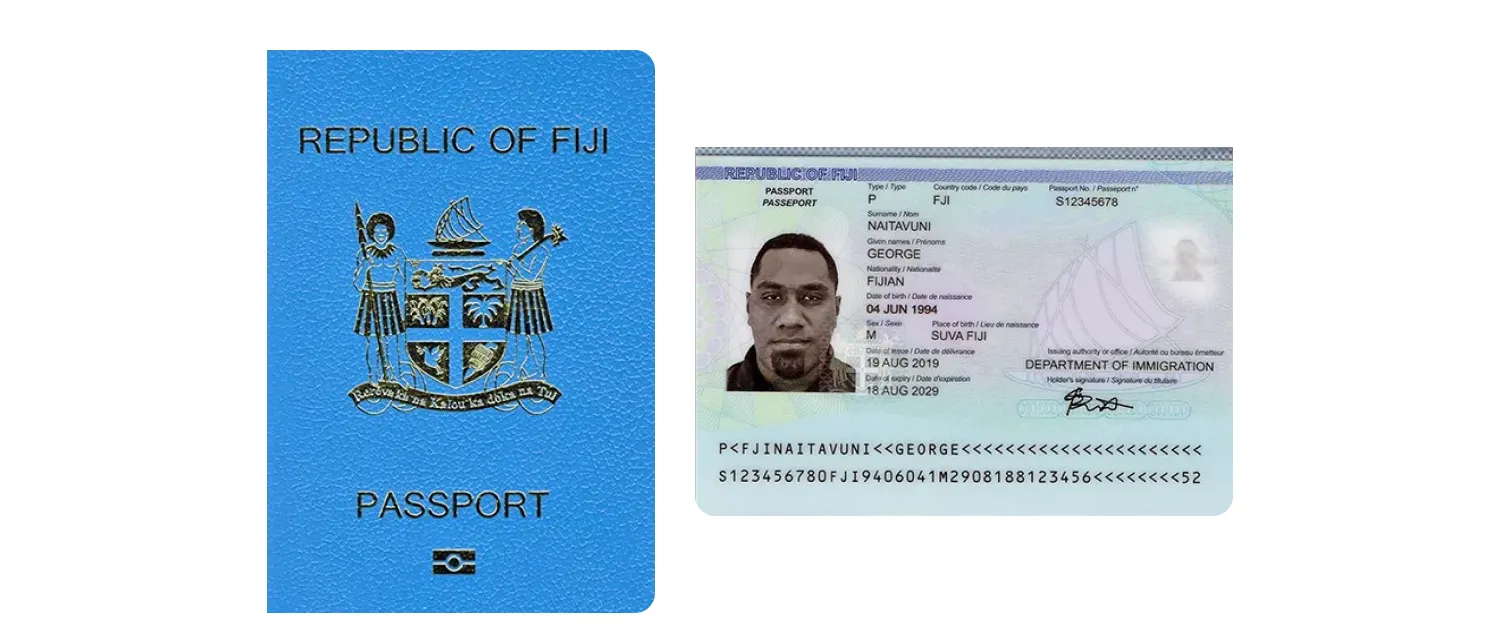
The Fiji passport is not only one of the few biometric passports in Oceania, but also one of the rarest in the world.
Meanwhile, residents of overseas territories like New Caledonia and French Polynesia (France) or Guam (the US), are citizens of their respective governing countries. As a result, they hold biometric passports, since both France and the US issue documents with electronic chips.
In Australia and New Zealand, passports are the only widely used biometric IDs. Neither country currently issues electronic national ID cards or biometric driver’s licenses. However, Australia was one of the first countries to introduce voluntary mobile driver’s licenses, which are now available in several states.
Why biometric ID integration matters for businesses
Biometric IDs aren’t a future concept — they’re already shaping how governments and businesses verify identities. While adoption levels vary, the direction is clear: secure, chip-enabled documents are becoming the global standard.
We’re seeing it happen now: more countries are mandating biometric identity documents to meet both international and local security requirements.
For businesses, verifying biometric documents requires advanced tools, such as NFC support, OCR, and a zero trust to mobile approach that uses server-side verification for data received from third-party devices. This helps ensure that the verification results aren't compromised by fraudsters. Also, it’s critical to confirm the document’s authenticity with liveness checks.
Regional differences add complexity: your software must handle a wide range of ID formats and access the right security certificates to validate chips properly. In some regions — notably Latin America — companies also need access to government databases for trusted biometric matching.
With the rise of digital ID alternatives, many businesses now require hybrid verification — where physical document checks are combined with biometric authentication.
At Regula, we stay ahead of these shifts, offering one of the most comprehensive ID coverage databases in the industry.
Need help verifying a specific biometric ID? Book a free consultation now.